
Are you looking to turn your garden into a steady source of income? Growing the right plants can help you do just that.
Whether you have a small backyard or a larger plot, choosing what to grow can make all the difference between a hobby and a profitable venture. You’ll discover simple, effective crops that not only thrive but also sell well. Ready to learn how your garden can start earning money?
Keep reading, and you’ll find practical tips to get started right away.

Credit: www.youtube.com
High-value Vegetables
Growing high-value vegetables can turn your garden into a profitable venture. These crops often require less space but yield products that buyers are willing to pay top dollar for. Choosing the right vegetables can maximize your income while keeping your gardening manageable and enjoyable.
Leafy Greens With Quick Turnaround
Leafy greens like arugula, spinach, and baby kale grow fast and can be harvested multiple times. Their quick growth means you can plant and sell several crops within a single season, boosting your cash flow. Many local restaurants and farmers’ markets seek fresh, tender greens, especially organic or locally grown options.
Think about offering mixed salad greens, which often attract higher prices than single varieties. If you want to maximize profit, focus on continuous harvesting rather than one-time cuts. How can you optimize your planting schedule to keep fresh greens available year-round?
Specialty Tomatoes For Premium Markets
Specialty tomatoes like heirloom varieties or unusual colors and shapes appeal to gourmet chefs and food enthusiasts. These tomatoes often command higher prices than common red tomatoes because of their unique flavors and appearance. Growing varieties such as Cherokee Purple, Green Zebra, or Sun Gold can set you apart in competitive markets.
Tomatoes require a bit more care, but the payoff can be significant. Consider small-scale greenhouse production to extend your growing season and improve fruit quality. Are you ready to invest time in cultivating tomatoes that make your garden stand out and your sales grow?
Exotic Peppers And Their Demand
Exotic peppers like ghost peppers, shishito, or habaneros attract buyers looking for unique flavors and heat levels. These peppers often have a loyal following among foodies, hot sauce makers, and ethnic markets. Since they are less commonly grown, you face less competition and can charge premium prices.
Growing peppers requires patience, but their shelf life and market demand make them worth the effort. You can also add value by drying or creating pepper blends to sell alongside fresh produce. How can you tap into niche markets eager for bold and unusual pepper varieties?

Credit: www.yahoo.com
Profitable Fruits
Growing fruits in your garden can bring steady income. Fruits have high demand in markets and stores. Choosing the right varieties boosts your profit. Some fruits sell better and grow faster. Pick fruits that suit your climate and soil. Careful selection helps you earn more from less space.
Berry Varieties That Sell Well
Berries are popular and easy to grow. They have good market value and quick harvest. Strawberries, blueberries, and raspberries attract many buyers. These berries can be sold fresh or as jams. Growing organic berries adds extra value. Planting multiple varieties extends your harvest season.
Citrus Trees For Year-round Income
Citrus trees like oranges, lemons, and limes produce fruits all year. They thrive in warm climates and bring regular profit. Citrus fruits have a long shelf life and steady demand. You can sell fresh fruit or juice. Citrus trees also provide shade and beauty to your garden.
Tropical Fruits In Temperate Gardens
Some tropical fruits grow well in temperate zones with care. Pineapples, figs, and kiwi can adapt to cooler climates. Using greenhouses or cold frames helps protect these plants. Tropical fruits often fetch higher prices due to rarity. Growing them diversifies your garden and income sources.
Herbs With Market Appeal
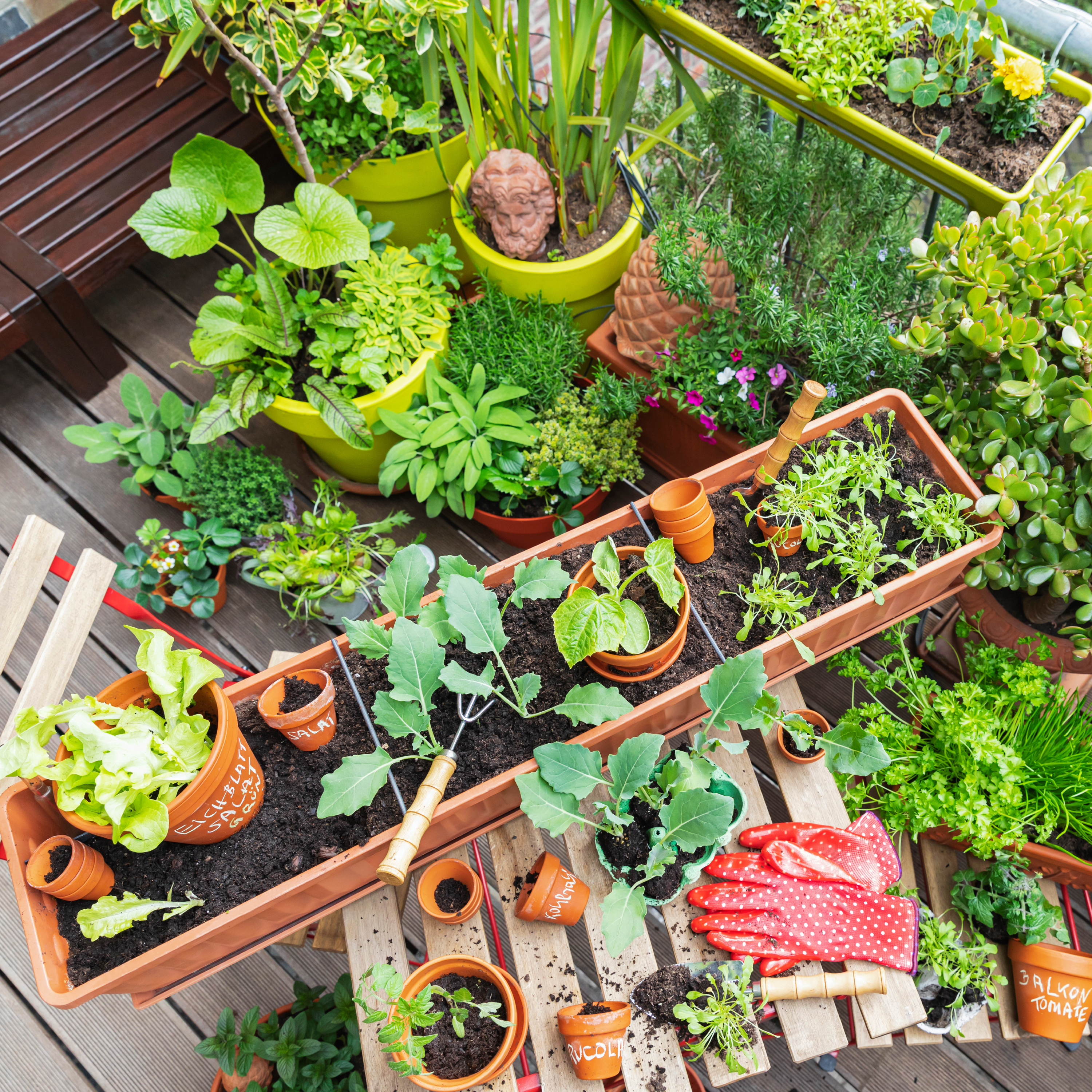
Growing herbs in your garden can be a smart way to generate income. Herbs attract buyers because they are versatile, easy to grow, and have a wide range of uses from cooking to health remedies. Choosing the right herbs with strong market appeal will help you stand out and sell consistently.
Culinary Herbs In High Demand
Culinary herbs are always popular among home cooks and restaurants alike. Basil, rosemary, thyme, and parsley are staples that sell well throughout the year.
Try growing specialty herbs like lemon verbena or purple basil to offer something unique. These varieties often fetch higher prices at farmers’ markets or specialty stores.
Have you thought about how fresh herbs could enhance local dishes? Consider connecting with local chefs to find out which herbs they need the most.
Medicinal And Aromatic Plants
Medicinal herbs like chamomile, echinacea, and lavender have a growing market. People seek natural remedies, making these plants valuable to herbalists and wellness shops.
Aromatic herbs such as mint and lemon balm are also popular for teas, essential oils, and homemade cosmetics. Their fragrance adds extra appeal to buyers.
Are you aware of the certifications or quality standards that buyers look for in medicinal herbs? Meeting these can increase your sales potential.
Growing And Harvesting Tips
Start with high-quality seeds or cuttings to ensure healthy plants. Herbs thrive in well-drained soil with plenty of sunlight, so pick your garden spot carefully.
Harvest herbs in the morning when their oils are most potent. Use sharp scissors to avoid damaging the plants and encourage regrowth.
- Water consistently but avoid overwatering to prevent root rot.
- Pinch back herbs regularly to promote bushier growth and higher yields.
- Dry or package your herbs quickly after harvest to maintain freshness.
Have you considered how proper post-harvest handling can impact your herb’s market value? Freshness and appearance can be the difference between a quick sale and leftover stock.
Credit: www.gardeningknowhow.com
Flowers And Ornamentals
Growing flowers and ornamentals in your garden can be a profitable venture. These plants attract buyers for their beauty and variety. Many customers prefer fresh, local flowers and unique ornamental plants for decoration. This market offers steady demand and creative opportunities.
Cut Flowers For Local Markets
Cut flowers sell well in local markets and flower shops. Popular choices include roses, sunflowers, and lilies. These flowers have a high demand for events and daily use. Grow varieties that bloom repeatedly to maximize harvest. Harvest flowers early in the morning for best freshness. Package them nicely to appeal to buyers.
Native Plants And Their Value
Native plants thrive with less care and water. They attract local pollinators like bees and butterflies. These plants are eco-friendly and often sought after by gardeners. Examples include coneflowers, black-eyed Susans, and milkweed. Selling native plants supports local biodiversity and appeals to eco-conscious buyers.
Seasonal Flowering Plants To Grow
Seasonal plants bring variety and steady income throughout the year. Plant tulips and daffodils for spring sales. Marigolds and zinnias brighten summer gardens. Chrysanthemums and asters bloom in fall. Rotate crops to keep your garden productive and attractive. Seasonal flowers keep customers returning for new colors.
Niche And Specialty Crops
Niche and specialty crops offer unique chances to earn from your garden. They fill specific market gaps and attract buyers willing to pay more. These crops often need less space and can grow quickly. Growing them can bring steady income and reduce competition from large farms.
Microgreens For Restaurants
Microgreens are young vegetable greens harvested early. They are popular in restaurants for their flavor and color. These tiny plants grow fast, usually in 7-14 days. You can grow them indoors or outdoors with little space. Chefs pay well for fresh, high-quality microgreens. Varieties include basil, radish, and sunflower microgreens.
Mushrooms As A Profitable Crop
Mushrooms grow in dark, damp places and mature fast. They require little land and can produce multiple harvests yearly. Varieties like oyster and shiitake mushrooms sell well at markets. Mushrooms need controlled humidity and temperature to thrive. This crop suits gardeners who want low-maintenance but high-value plants.
Uncommon Edibles With Growing Demand
Uncommon edible plants attract food lovers and specialty markets. Examples include edible flowers, heirloom tomatoes, and exotic herbs. These crops stand out due to unique taste or appearance. They often fetch higher prices than regular vegetables. Growing rare edibles can create loyal customers and new sales channels.
Factors Influencing Profitability
Understanding what factors influence the profitability of your garden is crucial before deciding what to grow. Profitability doesn’t rely on just one thing; it depends on several key aspects that work together. Paying attention to these elements can help you make smarter choices and increase your chances of earning money from your garden.
Soil And Climate Considerations
Your soil type and local climate set the foundation for what plants will thrive and produce well. Some crops need rich, well-drained soil, while others tolerate poor or sandy soils. Knowing your region’s temperature range and rainfall patterns helps you pick plants that grow vigorously without costly inputs.
For example, if you live in a warm area with sandy soil, crops like sweet potatoes or peppers might be more profitable than trying to grow water-intensive vegetables. Have you tested your soil recently? Simple soil tests can reveal nutrient levels and pH, guiding you toward the best crops for your land.
Market Trends And Consumer Preferences
Profit comes from selling what buyers want. Keep an eye on local farmers’ markets, grocery stores, or online platforms to see which crops are in demand. Trends can shift quickly; what sells well today might not be popular next season.
Organic herbs, microgreens, and exotic vegetables often fetch higher prices but require niche marketing. Ask yourself: Are people in your area looking for fresh salad greens or specialty mushrooms? Matching your crop choices to consumer preferences can boost your sales significantly.
Cost Of Production And Pricing Strategies
Growing a high-value crop means little if your costs eat up all your profits. Calculate expenses like seeds, fertilizers, water, labor, and equipment before planting. This helps you set realistic prices and understand your break-even point.
You might find that certain crops need expensive care or long growing periods, reducing your overall profit margin. Consider direct selling methods like farmer’s markets or CSA boxes to keep prices competitive and connect directly with customers. How can you reduce costs without sacrificing quality in your garden?
Maximizing Garden Income
Maximizing garden income requires smart planning and efficient use of space. Focus on techniques that extend harvest times and increase crop variety. Use strategies that add value to raw produce and reach customers directly. These approaches boost profits and make your garden a steady income source.
Succession Planting Techniques
Succession planting grows crops in intervals for continuous harvest. Plant fast-growing vegetables soon after early crops finish. This keeps your garden producing fresh food all season. Try planting lettuce, radishes, or spinach every few weeks. Rotate crops to improve soil health and reduce pests. Use vertical space with trellises to grow more in less area.
Value-added Products From Garden Crops
Turn fresh produce into products with higher value. Make jams, pickles, or dried herbs from garden harvests. These products last longer and sell for more money. Package items nicely to attract buyers. Small-batch soaps or infused oils from herbs bring extra income. Add clear labels with ingredients and date for trust.
Direct Sales And Marketing Tips
Sell directly to customers for better profits. Farmers markets, local shops, and online platforms work well. Offer samples to attract buyers and build trust. Use simple signs with prices and benefits of your products. Keep a list of customers to notify about new items. Friendly service encourages repeat business and referrals.
Frequently Asked Questions
What Are The Most Profitable Plants To Grow In A Garden?
Herbs like basil and mint, vegetables such as tomatoes, and flowers like lavender are highly profitable. These plants have high demand and low maintenance costs, making them ideal for earning money through local markets or online sales.
How Can I Start A Money-making Garden On A Small Budget?
Focus on high-value, low-cost plants such as herbs and microgreens. Use seeds instead of seedlings and practice organic composting to reduce expenses. Selling directly to neighbors or local markets also maximizes profits without heavy investment.
Which Flowers Generate The Most Income From Home Gardens?
Lavender, roses, and sunflowers are top earners. They have strong market demand for decoration and essential oils. These flowers grow well in various climates and can be sold fresh, dried, or as value-added products.
Can Growing Vegetables In My Garden Really Make Money?
Yes, vegetables like tomatoes, peppers, and lettuce can be lucrative. Fresh, organic produce sells well at farmers’ markets and to local restaurants. Consistent care and proper marketing increase your earning potential.
Conclusion
Growing the right plants can bring steady income from your garden. Choose crops that sell well and suit your climate. Focus on quality and care to get better prices. Small efforts can lead to good rewards over time. Keep learning and adjusting your garden plans often.
Your garden can become both a hobby and a source of money. Start with simple crops and watch your profits grow. Gardening for money takes patience, but it pays off.