
Are you wondering what grows best in a Tower Garden? You’re about to discover the top plants that thrive in this smart, space-saving system.
Whether you want fresh herbs, crisp veggies, or vibrant flowers, knowing the best choices can help you get the most from your garden. Imagine harvesting your own healthy food right at home, with less effort and more success. Keep reading to find out which plants will turn your Tower Garden into a lush, productive oasis.
Best Herbs For Tower Gardens
Growing herbs in your Tower Garden can be incredibly rewarding. Herbs thrive in this vertical system because they don’t require deep soil but do need plenty of light and good airflow—conditions the Tower Garden provides naturally. Let’s look at some of the best herbs that will flourish in your setup and bring fresh flavors right to your kitchen.
Basil Varieties
Basil is a standout herb for Tower Gardens due to its fast growth and vibrant flavor. Sweet basil is the most popular, but don’t hesitate to try varieties like Thai basil or lemon basil to add unique tastes to your meals.
These varieties need consistent warmth and plenty of sunlight. You’ll notice that harvesting basil regularly encourages bushier plants, which means more leaves for you. Have you tried making pesto with fresh-picked basil straight from your Tower Garden?
Mint And Other Aromatics
Mint grows exceptionally well in a Tower Garden, but it’s important to keep it contained since it can spread quickly. Peppermint and spearmint both thrive here, providing refreshing leaves for teas and desserts.
Other aromatic herbs like oregano and thyme also do well. They prefer slightly less water than basil, so adjusting your watering schedule can improve their health. How might fresh mint from your garden change your summer beverages?
Parsley And Cilantro
Parsley and cilantro are great choices for your Tower Garden because they grow fast and add bright flavors to many dishes. Parsley prefers cooler temperatures, so you might find it grows better during spring and fall.
Cilantro can bolt quickly in hot weather, but regular harvesting slows this process down. Both herbs benefit from nutrient-rich water in your Tower Garden, resulting in more vibrant leaves. What new recipes could you try with fresh cilantro or parsley on hand?
Leafy Greens That Thrive
Leafy greens grow exceptionally well in a Tower Garden. These plants thrive in the controlled environment and nutrient-rich water. They grow fast and produce fresh, tender leaves. Growing leafy greens in your Tower Garden ensures a steady supply for salads and cooking.
Lettuce Types
Lettuce is a popular choice for Tower Gardens. Varieties like romaine, butterhead, and loose-leaf grow quickly. They need moderate light and consistent nutrients. Lettuce leaves stay crisp and flavorful. They also require less space, making them perfect for vertical gardening.
Spinach And Kale
Spinach and kale are nutrient-packed leafy greens. They grow well in hydroponic systems like Tower Gardens. Spinach has tender leaves and a mild taste. Kale offers a stronger flavor and curly leaves. Both plants prefer cooler temperatures but adapt well indoors. They provide vitamins A, C, and K.
Swiss Chard Benefits
Swiss chard adds color and nutrition to your garden. Its leaves range from green to bright red and yellow. Swiss chard grows well in Tower Gardens with steady water and nutrients. It is rich in antioxidants and minerals. This leafy green supports heart health and digestion.
Fruiting Vegetables In Towers
Fruiting vegetables thrive in Tower Gardens thanks to the controlled environment and efficient nutrient delivery. These vertical systems give plants room to grow upwards while providing steady access to water and nutrients. You can enjoy fresh, homegrown produce with less space and effort compared to traditional gardening.
Cherry Tomatoes
Cherry tomatoes flourish in Tower Gardens because they love consistent moisture and good air circulation. You’ll notice they produce fruit faster and more abundantly than in soil gardens. Supporting the vines with simple trellises helps keep the fruit off the leaves, reducing disease risk and making harvesting easier.
Try growing different varieties like Sweet 100 or Sungold to see which flavor you prefer. Have you ever tasted a cherry tomato just picked minutes ago? The difference is remarkable.
Peppers And Chilies
Peppers and chilies do well in towers since they prefer warm roots and steady feeding. The vertical setup allows you to manage sunlight and airflow easily, which peppers need to thrive. You’ll find that both mild and hot varieties develop vibrant colors and rich flavors.
Remember, peppers take a bit longer to mature, so patience is key. Have you considered growing mini bell peppers or fiery habaneros side by side to spice up your harvest?
Cucumbers And Zucchini
Cucumbers and zucchini benefit from the vertical space by climbing or sprawling upward, saving ground area. The Tower Garden’s aerated roots prevent common issues like root rot, which zucchini often faces in dense soil. These veggies produce quickly and abundantly when their water and nutrient needs are met consistently.
Use a trellis or netting to help cucumbers climb and keep fruits clean. Zucchini plants may surprise you with how much they yield in a small footprint. Are you ready to try growing these summer staples in your tower?
Credit: nutraponics.com
Root Crops For Vertical Gardens
Root crops thrive in Tower Gardens due to their deep-growing nature. Vertical gardens can support these crops with the right setup. They need loose, well-aerated growing media for roots to expand. Space management is key because root crops require room beneath the surface. These crops often grow quickly and offer fresh, nutritious harvests. Choosing the right root crops makes vertical gardening rewarding and efficient.
Radishes And Carrots
Radishes grow fast and fit well in vertical systems. They mature in just a few weeks. Their small roots need loose soil to grow straight. Carrots require deeper space to develop fully. They prefer sandy, well-drained media for smooth roots. Both crops benefit from consistent moisture and good airflow. Growing radishes and carrots together can maximize space and yield.
Beets And Turnips
Beets adapt well to vertical gardens and bring vibrant color. Their roots grow thick and store nutrients well. Turnips have a similar growth pattern and grow quickly. Both crops tolerate cooler temperatures and can be harvested young. They need regular watering to avoid tough roots. Planting beets and turnips in Tower Gardens provides variety and fresh produce year-round.
Fruits That Suit Tower Gardens
Growing fruits in a Tower Garden can be rewarding and fun. The vertical setup saves space and provides good air circulation. Some fruits thrive better than others in this system. Choosing the right fruits ensures healthier plants and better yields. Small and lightweight fruits often do well in Tower Gardens.
Strawberries
Strawberries are perfect for Tower Gardens. They need little space and grow well in vertical systems. Their roots stay healthy with good water flow. Strawberries also enjoy plenty of sunlight, which the Tower Garden provides. Harvesting is easy since fruits hang down from the pockets. They produce sweet, fresh berries all season long.
Dwarf Melons
Dwarf melons suit Tower Gardens because of their compact size. They do not require large ground space to spread. These melons climb well and can be trained on trellises. Their lightweight fruit reduces stress on the plant structure. Dwarf melons ripen quickly and offer a fresh, juicy treat. They add variety and color to your Tower Garden fruits.

Credit: www.youtube.com
Tips For Maximizing Growth
Maximizing growth in your Tower Garden takes more than just planting seeds. It requires careful attention to key factors like lighting, watering, and pest control. Small adjustments in these areas can lead to healthier plants and bigger harvests.
Lighting And Placement
Plants in a Tower Garden need plenty of light to thrive. Most vegetables and herbs do best with 12 to 16 hours of sunlight or equivalent grow light daily.
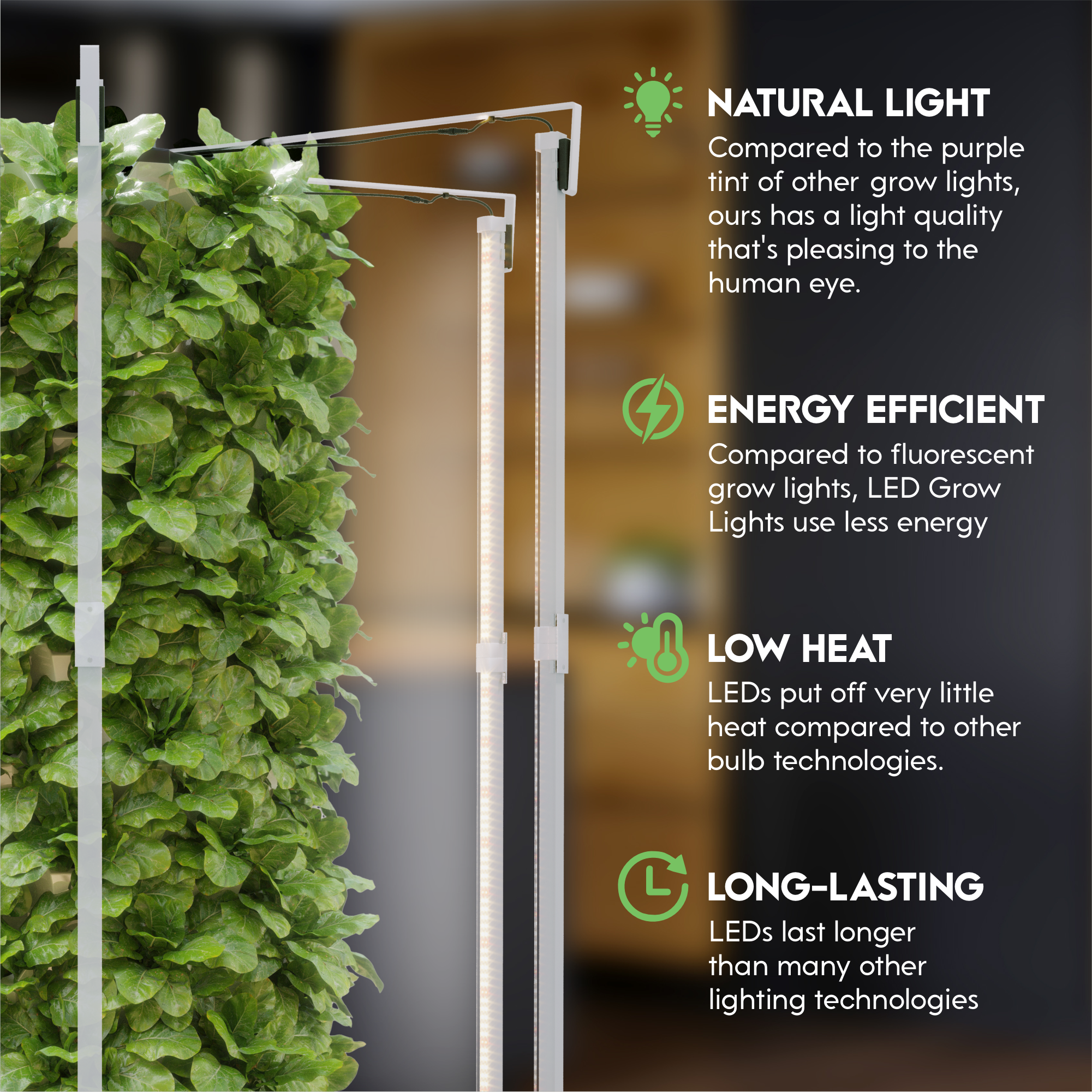
Place your tower where it gets direct sunlight, ideally near a south-facing window or outdoors. If natural light is limited, use LED grow lights with a full spectrum to mimic sunlight.
Have you noticed some leaves turning yellow or stems stretching? That’s usually a sign your plants need more light or a better spot.
Watering And Nutrient Management
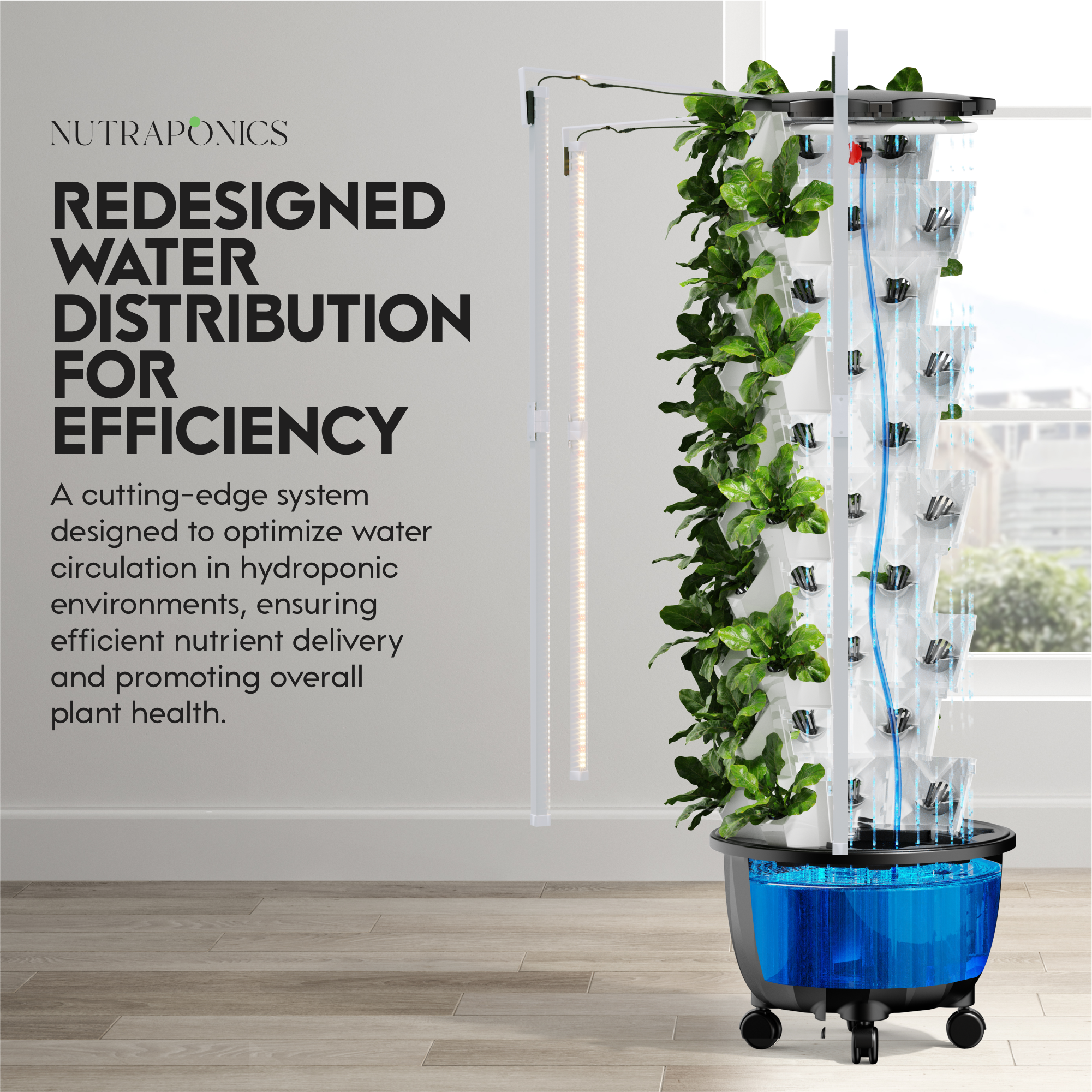
Consistent watering is crucial since Tower Gardens use a hydroponic system. Check water levels daily and top off with fresh nutrient solution to keep roots hydrated.
Use a balanced nutrient mix designed for hydroponic gardens. Too much fertilizer can burn roots, while too little slows growth—finding the right balance is key.
Try testing your water’s pH regularly; keeping it between 5.5 and 6.5 helps plants absorb nutrients efficiently. Have you ever adjusted your nutrient mix based on plant response? It can make a big difference.
Pest Control Strategies
Even in a controlled system, pests can find their way to your Tower Garden. Inspect plants regularly for signs like holes, sticky residue, or curled leaves.
Natural pest control works best. Introduce beneficial insects like ladybugs or use neem oil sprays to keep pests in check without harming your plants.
Maintaining good airflow and removing dead leaves also prevents pest buildup. Could a few simple habits reduce your pest problems before they start?
Credit: nutraponics.com
Frequently Asked Questions
What Vegetables Grow Best In A Tower Garden?
Leafy greens like lettuce, spinach, and kale thrive in Tower Gardens. Herbs such as basil, mint, and parsley also grow well. Tomatoes and peppers can be grown with proper support and care. These plants adapt well to vertical hydroponic systems, ensuring healthy growth and high yields.
Can Fruits Like Strawberries Grow In Tower Gardens?
Yes, strawberries are ideal for Tower Gardens. They require minimal space and enjoy the nutrient-rich, well-aerated environment. Proper watering and sunlight help strawberries produce sweet, juicy fruits. Tower Gardens also reduce pest issues common in soil planting, promoting healthier strawberry crops.
How Do Herbs Perform In Tower Garden Systems?
Herbs grow exceptionally well in Tower Gardens due to controlled nutrient delivery. They require less space and thrive in vertical hydroponic setups. Common herbs like basil, cilantro, and thyme flourish quickly, providing fresh flavors year-round. This system supports faster growth and higher herb yields.
Is It Possible To Grow Root Vegetables In Tower Gardens?
Root vegetables like carrots and radishes are less ideal for Tower Gardens. The limited soil depth restricts root expansion, affecting growth. However, small root crops like baby carrots or radishes can be grown with careful management. Leafy and fruiting plants are generally better suited.
Conclusion
Tower Gardens grow many plants well, from leafy greens to herbs. They save space and use less water. Fresh veggies and herbs grow fast and taste great. Choose plants that suit your space and sunlight. Keep the garden clean and check water often.
Enjoy healthy food right from your home garden. Growing your own plants brings joy and good health. Start small, learn, and watch your garden thrive. Simple care leads to big rewards in your Tower Garden.