

Thinking about starting a garden in Denver? You might wonder what plants will thrive in this unique climate.
Growing the right fruits, vegetables, and flowers can make all the difference between a garden that flourishes and one that struggles. You’ll discover the best choices for your Denver garden, tailored to the city’s weather and soil conditions. By the end, you’ll feel confident about what to plant to enjoy a vibrant, healthy garden all season long.
Keep reading to unlock the secrets that will help your garden grow strong and beautiful.
Climate And Soil In Denver
Understanding Denver’s climate and soil is crucial for a thriving garden. The city’s unique weather patterns and soil conditions can challenge even experienced gardeners. But with the right knowledge, you can grow a vibrant and productive garden that suits Denver’s environment.
Key Weather Patterns
Denver experiences a semi-arid climate with low humidity and about 300 days of sunshine per year. Winters can be cold and snowy, while summers are hot and dry, often reaching temperatures above 90°F. These swings mean your plants must handle frost early and late in the season.
Do you know your garden’s frost dates? Denver’s average last frost date is around mid-May, and the first frost usually comes by mid-October. Planning your planting schedule around these dates can save your crops from unexpected cold snaps.
Soil Characteristics
Denver soil tends to be sandy and alkaline, with a pH often above 7.5. This type of soil drains quickly but may lack nutrients and organic matter that plants need to grow strong. Heavy clay patches can also appear, making drainage inconsistent across your garden.
Have you tested your soil’s pH and texture recently? Understanding this helps you decide what amendments to add. Nutrient-poor soil means you’ll want to enrich it with compost or organic fertilizers to give your plants the boost they need.
Preparing Your Garden Bed
Start by loosening the soil with a shovel or tiller to improve aeration and drainage. Add organic matter like compost, aged manure, or leaf mold to enhance soil fertility and moisture retention. This step is essential to combat Denver’s naturally dry and alkaline soil.
Consider creating raised beds if your soil has heavy clay or poor drainage. Raised beds warm up faster in spring and give you better control over soil quality. Mulching after planting helps conserve moisture and protect roots from temperature extremes.
Are you ready to put in the effort now to save time and frustration later? Preparing your soil carefully sets the foundation for a healthy garden that can withstand Denver’s challenging conditions.

Credit: www.sandiaseed.com
Best Vegetables For Denver Gardens
Choosing the right vegetables for your Denver garden can make all the difference in your harvest’s success. Denver’s unique climate—with its high altitude and fluctuating temperatures—means some veggies will flourish while others struggle. Knowing which vegetables suit this environment helps you plan a garden that’s both productive and enjoyable.
Cool-season Crops
Cool-season vegetables do well in Denver’s spring and fall when temperatures are moderate. You can grow leafy greens like spinach, kale, and lettuce early in the season. These crops tolerate light frosts and often taste better after a chill.
Peas and radishes also thrive in cooler weather and mature quickly, giving you early rewards. Have you tried planting broccoli or cauliflower? They grow best in these cooler months, producing crisp heads before the summer heat sets in.
Warm-season Vegetables
Warm-season vegetables love Denver’s sunny summer days but need to be planted after the last frost. Tomatoes, peppers, and cucumbers are popular choices that flourish with consistent watering and full sun. They require a bit more attention but reward you with bountiful harvests.
Beans and zucchini are also great warm-season picks; they grow fast and can fill your garden with fresh produce through summer. Think about how you’ll space these plants—crowding can reduce air flow and increase disease risk.
Root Vegetables That Thrive
Denver’s soil supports several root vegetables that you might not expect to do well here. Carrots, beets, and turnips are excellent options and handle the cooler temperatures nicely. Their underground growth keeps them insulated from sudden weather changes.
Don’t overlook potatoes—they love loose soil and grow well in raised beds or deep containers. Have you tested your soil’s texture? Adjusting it with compost can improve root vegetable yields dramatically.
Top Fruits To Plant
Choosing the right fruits to grow in your Denver garden can make a huge difference in your harvest success. Denver’s unique climate, with its high altitude and variable temperatures, calls for fruit plants that are hardy and adaptable. Let’s look at some of the best options that thrive here, whether you have a big yard or just a small balcony.
Berries That Flourish
Berries are a fantastic choice because many types handle Denver’s climate well and reward you with delicious, fresh fruit. Strawberries, for example, love the sunny spots and cooler nights Denver provides, producing sweet berries throughout the summer.
Raspberries and blackberries also do well, especially if you provide some afternoon shade and regular watering. Have you tried growing currants or gooseberries? These lesser-known berries are tough and can tolerate Denver’s conditions, often with less pest trouble.
Fruit Trees Suitable For Denver
Fruit trees can be a long-term investment in your garden, and certain varieties are better suited for Denver’s weather. Apple trees, especially cold-hardy varieties like Honeycrisp or Liberty, can survive the winter chill and produce consistently.
Peach trees may seem risky, but some varieties like Reliance are bred for colder climates and can thrive here with proper care. Don’t overlook cherry trees—both tart and sweet cherries can flourish, offering beautiful blossoms in spring and tasty fruit in summer.
Container-friendly Fruit Options
If space is limited, container gardening is an excellent way to grow fruit in Denver. Dwarf citrus trees, like Meyer lemons, can live happily on a sunny balcony if you bring them indoors during the cold months.
Strawberries are also ideal for containers and hanging baskets, giving you fresh fruit within arm’s reach. Fig trees, although less common, can adapt well to container life and bring a taste of the Mediterranean to your Denver garden.

Credit: coloradoinfo.com
Herbs Perfect For Denver
Denver’s climate has dry air, lots of sun, and cold winters. Herbs that grow well here must be tough and water-wise. Choosing the right herbs will give you fresh flavors all season. Some herbs come back every year. Others need planting each spring. Both types can thrive in Denver gardens with simple care.
Perennial Herbs
Perennial herbs return year after year. They survive Denver’s cold winters and dry spells. These herbs save time and effort since you don’t replant them every year.
- Thyme:Thrives in sunny, well-drained soil. Low water needs.
- Oregano:Hardy and spreads easily. Great for cooking.
- Chives:Tolerate cold. Perfect for salads and soups.
- Mint:Grows fast but keep in pots to control spread.
- Sage:Loves sun and dry soil. Adds earthy flavor.
Annual Herbs
Annual herbs live for one growing season. They need planting each spring. These herbs grow quickly and add fresh taste all summer long.
- Basil:Warm-loving and fragrant. Ideal for summer dishes.
- Cilantro:Grows fast but dislikes heat. Plant early spring or fall.
- Dill:Prefers full sun. Good for pickles and salads.
- Parsley:Can grow in partial shade. Rich in vitamins.
Care Tips For Herbs
- Plant herbs in full sun for best growth.
- Use well-drained soil to prevent root rot.
- Water deeply but less often to save water.
- Mulch around plants to keep soil moist and cool.
- Harvest regularly to encourage new leaves.
- Protect tender herbs from frost with covers.
Flowers And Ornamentals
Flowers and ornamentals bring life and color to your Denver garden, transforming it into a vibrant outdoor retreat. Choosing the right blooms is key, especially in Denver’s unique climate. You want plants that not only brighten your space but also thrive with minimal fuss.
Drought-tolerant Flowers
Denver’s dry air and limited rainfall make drought-tolerant flowers a smart choice. These plants survive with less water, saving you time and effort on maintenance. Consider planting:
- Blanket Flower (Gaillardia):Bright red and yellow petals that attract butterflies.
- Russian Sage:Silvery foliage with beautiful purple-blue flowers that bloom late summer.
- Yarrow:Flat clusters of tiny flowers in various colors, tough and long-lasting.
Have you tried letting your garden go a bit wild with these hardy beauties? You might be surprised how much life they bring without constant watering.
Native Plants For Denver Gardens
Native plants are adapted to Denver’s high altitude and soil conditions. They require less fertilizer and resist local pests naturally. Some favorites include:
- Columbine (Aquilegia caerulea):Colorado’s state flower, with delicate blue and white blooms.
- Penstemon:Tubular flowers that attract hummingbirds and come in many shades.
- Prairie Coneflower:Bold, daisy-like flowers that add texture and color.
Have you noticed how native plants often support local wildlife better? It’s a simple way to make your garden a small ecosystem.
Seasonal Flower Choices
Changing your flowers with the seasons keeps your garden interesting year-round. Spring bulbs, summer perennials, and fall annuals each bring unique charm. Try:
- Spring:Tulips and daffodils for early color bursts.
- Summer:Zinnias and marigolds, which love the sun and heat.
- Fall:Mums and asters, perfect for late-season blooms.
What flowers have you found brighten your garden during the quieter months? Mixing seasonal plants can extend your garden’s bloom time and keep your space lively.
Gardening Tips For Success
Gardening in Denver offers unique challenges due to its dry climate and fluctuating temperatures. Success depends on more than just planting the right seeds; it requires attention to how you care for your garden daily. Let’s focus on practical tips that help your plants thrive despite these hurdles.
Watering Strategies
Denver’s low humidity means water evaporates quickly. To keep your garden healthy, water deeply but less often. This encourages roots to grow deeper, making plants more drought-resistant.
Early morning watering is best because it reduces evaporation and helps prevent fungal diseases. Avoid overhead watering in the evening, as wet leaves overnight can invite pests.
Consider using drip irrigation or soaker hoses to deliver water directly to the roots. This method saves water and ensures your plants get moisture where they need it most.
Pest And Disease Control
Pests can sneak up fast in Denver’s gardens. Regularly inspect your plants for signs of trouble like holes in leaves or sticky residue. Catching problems early makes them easier to manage.
Introduce beneficial insects like ladybugs or lacewings to naturally reduce harmful pests. You can also use homemade sprays made from garlic or neem oil to keep bugs away without harsh chemicals.
Rotate your crops yearly to prevent disease buildup in the soil. This simple step can save you from persistent problems that zap your garden’s energy.
Extending The Growing Season
Denver’s short growing season can limit what you can grow and when. Use row covers or cold frames to protect seedlings from late frosts and get a jump start on spring planting.
Plant fast-maturing varieties or successively sow seeds every few weeks to keep your garden producing longer. You might be surprised how much more you can harvest this way.
Have you tried container gardening indoors during colder months? It’s a great way to grow herbs and small veggies year-round, keeping fresh flavors at your fingertips.
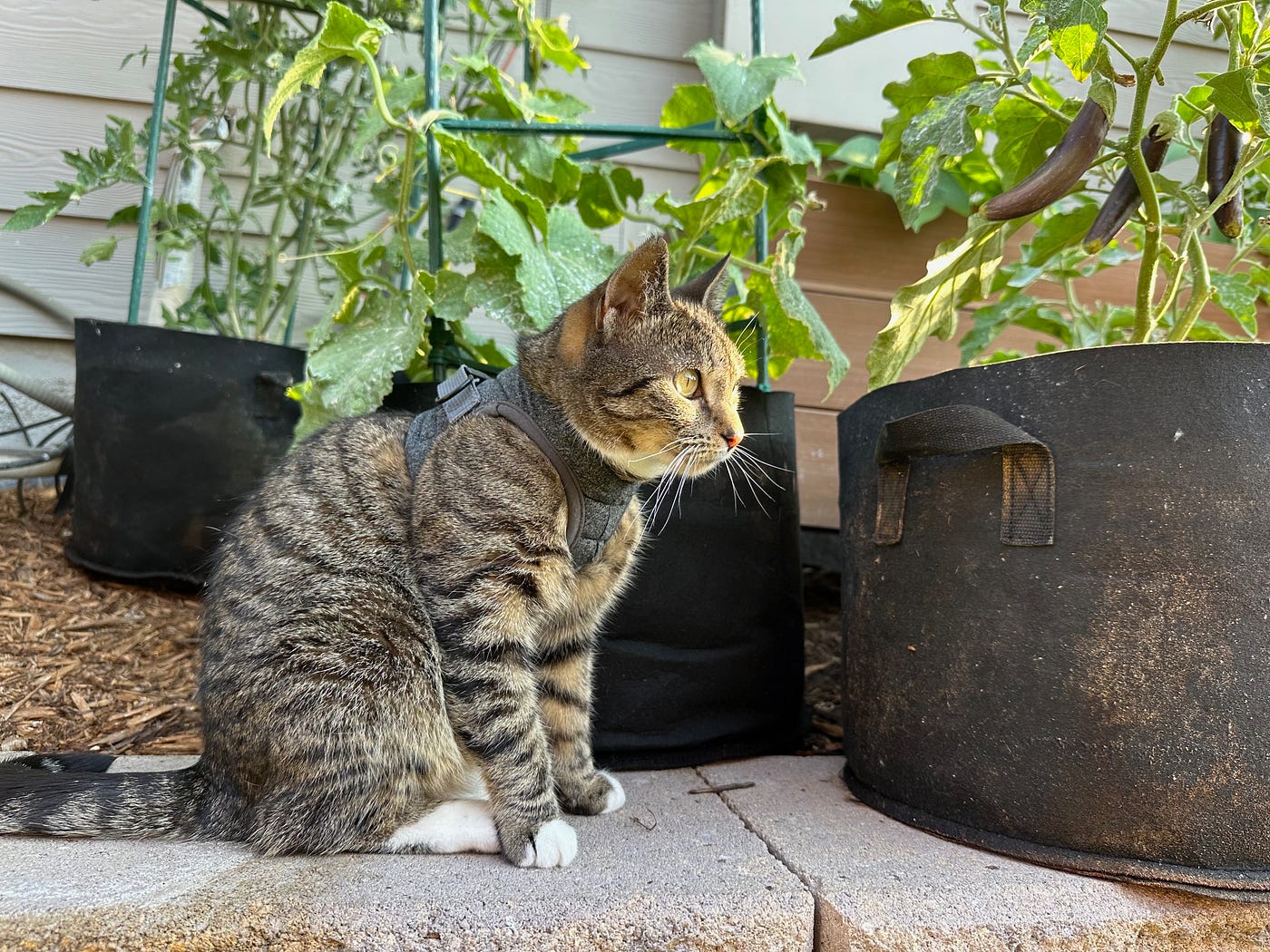
Credit: debell.medium.com
Frequently Asked Questions
What Vegetables Grow Best In A Denver Garden?
Cool-season crops like lettuce, spinach, and radishes thrive in Denver’s climate. Tomatoes and peppers also do well with proper care and sun.
How Does Denver’s Climate Affect Gardening Choices?
Denver’s high altitude and dry air cause rapid moisture loss. Choose drought-tolerant plants and water consistently to ensure garden success.
When Is The Best Planting Time In Denver?
Start seeds indoors in late winter. Transplant outdoors after the last frost, usually mid-May, for optimal growth.
What Soil Improvements Help Denver Gardens Flourish?
Add organic compost and mulch to improve soil moisture and nutrient retention. Denver soil often needs enrichment for healthy plants.
Conclusion
Denver gardens offer many choices for growing plants well. Choose vegetables and flowers that like the dry, sunny climate. Prepare soil and water plants regularly for best growth. Experiment with herbs and native plants to save water. Watch your garden grow with patience and care.
Enjoy fresh, homegrown food and beautiful blooms all season. A Denver garden brings joy and healthy living. Start small, learn, and expand your garden space. Gardening here is simple and rewarding.