

Are you thinking about adding sage to your garden but unsure which kind will thrive best? Sage isn’t just one plant—it comes in many varieties, each with its own unique look, scent, and use.
Choosing the right type can make a big difference in your garden’s beauty and your cooking’s flavor. You’ll discover the most popular sage varieties that grow well in gardens like yours. By the end, you’ll know exactly which sage to pick to boost your garden’s charm and your kitchen’s taste.
Keep reading to find out how to make your garden a sage lover’s paradise!
Common Garden Sage Types
Sage is a versatile herb that can add both flavor and beauty to your garden. There are several common types of sage that thrive well in garden settings, each with unique characteristics to consider. Understanding the differences can help you pick the right sage for your space and needs.
Garden Sage
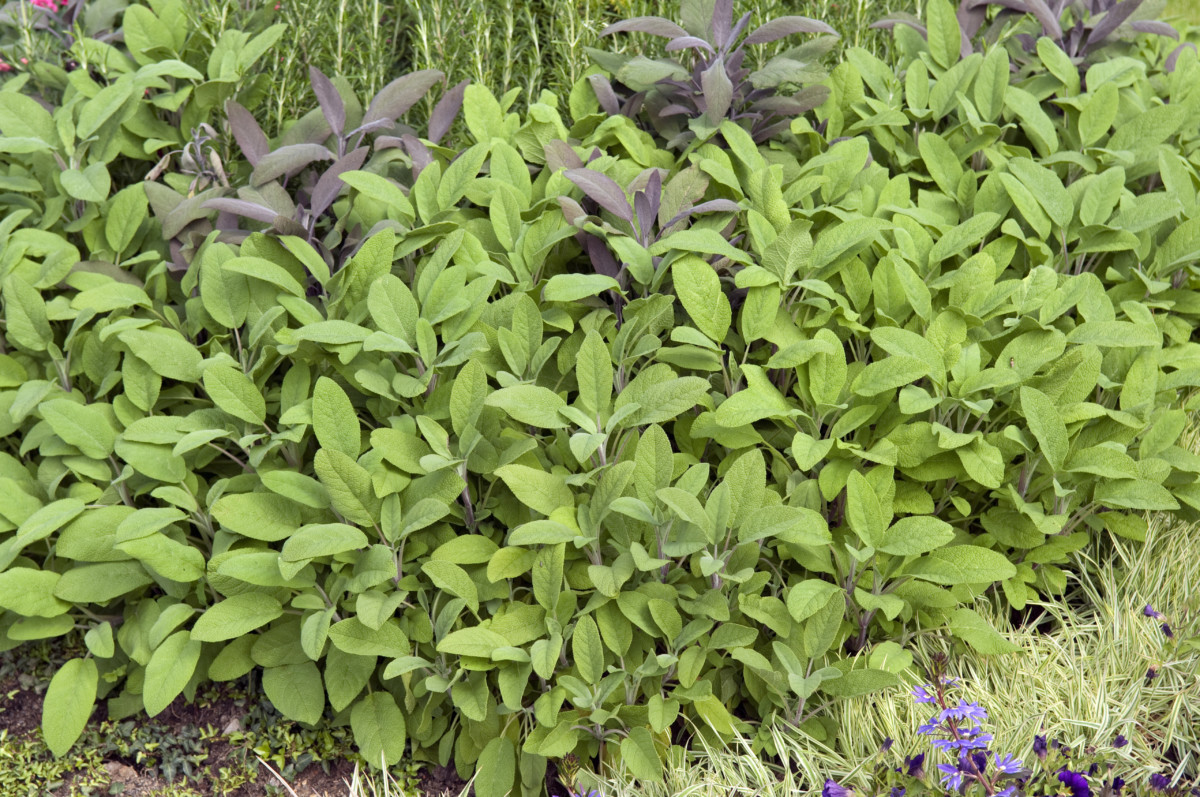
Garden Sage, also known as Salvia officinalis, is the classic variety most gardeners recognize. It has soft, gray-green leaves and a strong, earthy aroma that enhances many dishes. This type grows well in full sun and well-drained soil, making it a reliable choice for beginners.
I once planted Garden Sage near my kitchen window. Having fresh leaves within reach changed my cooking routine for the better. Would you like herbs that are both decorative and practical?
Pineapple Sage
Pineapple Sage stands out with its bright red flowers and fruity scent, which is quite different from traditional sage. It attracts hummingbirds and butterflies, adding life to your garden. This variety prefers warm climates but can be grown as an annual elsewhere.
Its sweet aroma inspired me to create herbal teas and summer cocktails. If you want a sage that doubles as a garden showstopper and a flavor enhancer, this is a great pick.
Purple Sage
Purple Sage offers stunning deep violet leaves that bring striking color contrast to your garden beds. It shares similar growing needs with Garden Sage but adds an ornamental flair. The leaves have a slightly milder flavor, making them suitable for salads and garnishes.
Growing Purple Sage gave my garden a unique edge that guests always asked about. Could adding color to your herb garden boost your outdoor space’s appeal?
White Sage
White Sage is known more for its cultural and medicinal uses than culinary ones. It has silvery-white leaves and a strong aroma, often used in smudging rituals. This sage prefers dry, sunny locations and well-drained soil to thrive.
Even if you’re not using it for traditional purposes, White Sage can add texture and scent to your garden. Have you thought about planting herbs that serve both practical and spiritual roles?
Herbal Sage Varieties
Herbal sage varieties bring unique flavors and uses to any garden. These sages are easy to grow and offer fresh leaves for cooking and healing. Each type has its own scent, taste, and growth habit. Growing different sages adds diversity and beauty to your garden space.
Culinary Sage
Culinary sage is the most common garden sage. It has soft, gray-green leaves with a strong aroma. Chefs use it in many dishes, especially meats and soups. This sage prefers full sun and well-drained soil. It grows well in pots or garden beds and can reach two feet tall.
Clary Sage
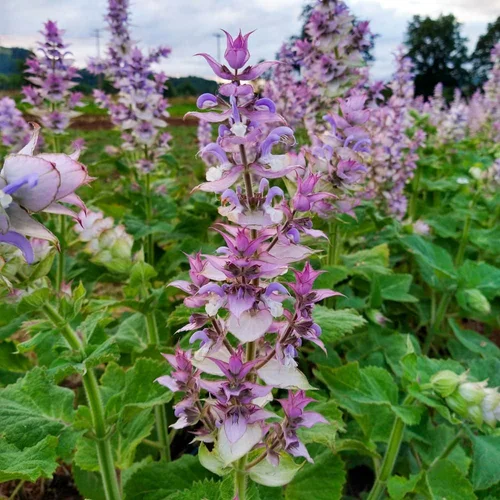
Clary sage has large, fuzzy leaves and tall flower spikes. Its scent is sweet and earthy. People often use it for herbal teas and essential oils. This sage grows best in sunny spots with good air circulation. It can grow up to three feet high and attracts pollinators.
Greek Sage
Greek sage has narrow, gray-green leaves with a lemony aroma. It is a low-growing, woody shrub that spreads wide. This sage is perfect for dry, rocky gardens. It blooms with purple flowers in summer. Greek sage is hardy and drought-tolerant, making it easy to care for.
Ornamental Sage Varieties
Ornamental sage varieties add vibrant color and texture to any garden, making them a favorite among gardeners who want more than just herbs. These sages are prized for their beautiful flowers and foliage, which attract pollinators like bees and butterflies. Growing ornamental sage can transform your garden into a lively, fragrant space that bursts with life.
Salvia Nemerosa
Salvia Nemerosa is a classic choice for gardeners seeking bright, long-lasting blooms. Its flowers come in shades of purple, blue, and pink, creating a stunning display throughout summer. This variety thrives in full sun and well-drained soil, making it low-maintenance and easy to care for.
One thing I noticed is how Salvia Nemerosa attracts bees and hummingbirds, turning your garden into a buzzing haven. Have you ever thought about how adding pollinator-friendly plants can boost your garden’s health?
Blue Sage
Blue Sage offers striking blue flowers that stand out against green foliage. It’s a versatile plant that does well in various climates, especially in dry, sunny spots. The aromatic leaves can also be a subtle addition to your garden’s scent profile.
What’s amazing is how Blue Sage can handle drought conditions better than many other ornamentals. If water conservation is important to you, this variety might be the perfect fit for your garden.
Russian Sage
Russian Sage is known for its tall, wispy stems topped with lavender-blue flowers. This variety adds height and movement, giving your garden a dynamic feel. It’s very hardy and tolerates heat and poor soils better than most.
In my experience, Russian Sage keeps its color and shape well into fall, extending your garden’s season of interest. Could this be the reliable performer your garden needs for continuous blooms?

Credit: sagesacre.com
Growing Conditions For Sage
Sage is a resilient herb that thrives when given the right conditions. Understanding the growing environment helps you cultivate healthy, flavorful plants that enhance your garden and kitchen. Let’s break down what sage needs to flourish in your garden.
Soil Requirements
Sage prefers well-draining soil. Heavy clay or waterlogged soil can cause root rot and stunt growth.
Try using sandy or loamy soil with a pH between 6.0 and 7.0. Adding organic matter like compost improves soil texture and nutrients.
Have you noticed your sage looking droopy or yellow? Poor soil drainage is often the culprit.
Sunlight Needs
Sage loves sunlight and requires at least 6 hours of direct sun daily. More sun means stronger aroma and better flavor.
If your garden has shady spots, consider moving sage to a sunnier area or using containers to control its light exposure.
Does your sage stretch tall but look pale? That’s a sign it’s reaching for more light.
Watering Tips
Sage is drought-tolerant and prefers to dry out between waterings. Overwatering can harm the plant more than underwatering.
Water sage deeply but infrequently, allowing the soil surface to dry before watering again. Early morning watering helps prevent fungal issues.
Have you ever noticed a musty smell or wilting despite watering regularly? It’s often a sign of too much moisture around the roots.
Sage Care And Maintenance
Caring for sage in your garden ensures a healthy, thriving plant that adds flavor and fragrance to your outdoor space. Sage is resilient but does need some attention to keep it productive and vibrant. Understanding how to prune, manage pests, and harvest correctly will make a big difference in your gardening success.
Pruning Techniques
Pruning sage encourages bushier growth and prevents the plant from becoming leggy. Cut back the plant in early spring before new growth starts, removing about one-third of the stems. During the growing season, trim off any dead or woody stems to keep your sage fresh and productive.
Don’t cut into old wood as it may not grow back. Use clean, sharp scissors or pruning shears to avoid damaging the plant. Have you noticed how a well-pruned sage plant produces more leaves? That’s the power of good pruning.
Pest Control
Sage is naturally pest-resistant, but it can occasionally attract aphids or spider mites. Check the undersides of leaves regularly for signs of these tiny invaders. If you find pests, spray the plant gently with water or use insecticidal soap for a natural solution.
Encourage beneficial insects like ladybugs to visit your garden—they help keep harmful pests in check. Avoid harsh chemical sprays, as they can harm your sage and the helpful bugs. How often do you inspect your garden plants for pests?
Harvesting Sage
Harvest sage leaves once the plant reaches about 6 to 8 inches tall. Pick leaves in the morning after the dew dries for the best flavor. Snip off the stems just above a leaf node to encourage new growth.
Regular harvesting keeps your sage healthy and productive. Don’t take more than one-third of the plant at a time to avoid stressing it. Have you tried drying sage leaves? It’s a great way to preserve their aroma and flavor for later use.
Credit: www.azurefarmlife.com
Uses Of Garden Sage
Garden sage is more than just a pretty plant to grow outdoors. It offers a range of practical uses that can enhance your cooking, health, and even the atmosphere around your home. Understanding these uses will help you appreciate why sage deserves a spot in your garden.
Culinary Uses
Sage leaves add a warm, earthy flavor to many dishes. You can use fresh or dried leaves to season meats like chicken, pork, and sausage. It also pairs well with vegetables, especially in roasted or sautéed recipes.
Have you tried adding sage to your stuffing or pasta sauces? Its subtle bitterness and aroma bring depth to these meals. Plus, fresh sage leaves can be fried in butter for a crispy garnish that elevates any dish.
Medicinal Benefits
Garden sage has been used in traditional medicine for centuries. It contains antioxidants and anti-inflammatory compounds that may support your immune system.
Drinking sage tea can soothe a sore throat or ease digestive discomfort. Some people even use sage leaves to help with memory and concentration. Would you consider adding sage tea to your wellness routine?
Aromatic And Decorative Uses
Sage’s strong scent can freshen up your home naturally. You can create sachets with dried leaves to place in drawers or closets for a pleasant aroma.
Its silvery-green leaves also add texture and color to garden beds and floral arrangements. Burning sage, known as smudging, is a practice some use to clear negative energy. How might you use sage to uplift your living space?
Credit: www.ruralsprout.com
Frequently Asked Questions
What Types Of Sage Grow Well In Gardens?
Common sage, also known as garden sage, grows well in most gardens. Other varieties like pineapple sage, clary sage, and purple sage thrive too. These sages prefer well-drained soil and full sun, making them ideal for various garden settings.
How Do I Identify Different Garden Sage Varieties?
Look for leaf shape, color, and aroma to identify sage types. Common sage has gray-green leaves, pineapple sage has red flowers, and purple sage shows purple foliage. Each variety has a distinct scent and growth habit.
Can Sage Grow Indoors In Pots Or Containers?
Yes, sage grows well indoors in pots with good drainage. Place the pot in a sunny window and water moderately. Indoor sage needs at least 6 hours of sunlight daily to thrive.
What Soil Conditions Are Best For Growing Garden Sage?
Garden sage prefers well-drained, sandy or loamy soil with neutral to slightly alkaline pH. Avoid waterlogged or heavy clay soils. Good drainage is essential to prevent root rot and promote healthy growth.
Conclusion
Sage adds beauty and fragrance to any garden space. Many types of sage grow well outdoors. Choose varieties that fit your climate and soil. Some sages offer edible leaves, others bloom with bright flowers. Growing sage is easy with basic care and sunlight.
Enjoy fresh herbs for cooking or decoration. Start small and watch your garden thrive. Sage brings nature’s charm right to your door.