

Are you ready to grow your own ginseng right at home? Creating raised garden beds is one of the best ways to give your ginseng plants the perfect environment to thrive.
With the right setup, you can improve soil drainage, control pests, and boost your harvest. In this guide, you’ll discover simple steps to build your own raised beds tailored specifically for growing ginseng. By the end, you’ll have the confidence and knowledge to start growing this valuable and healing root yourself.
Keep reading to unlock the secrets to a successful ginseng garden!
Choosing The Right Location
Choosing the right location is key for growing healthy ginseng in raised garden beds. The location affects the plant’s growth, health, and yield. Ginseng needs specific conditions to thrive, so careful selection of the site is important.
Soil Requirements
Ginseng prefers loose, rich, and well-drained soil. The soil should have plenty of organic matter like compost or leaf mold. A slightly acidic pH between 5.5 and 6.5 works best. Avoid heavy clay or sandy soils that hold too much water or dry out quickly.
Sunlight And Shade
Ginseng grows best in partial to full shade. It naturally grows under forest canopies. Choose a spot that gets filtered sunlight or dappled shade for most of the day. Too much direct sun can burn the leaves and stunt growth.
Drainage Considerations
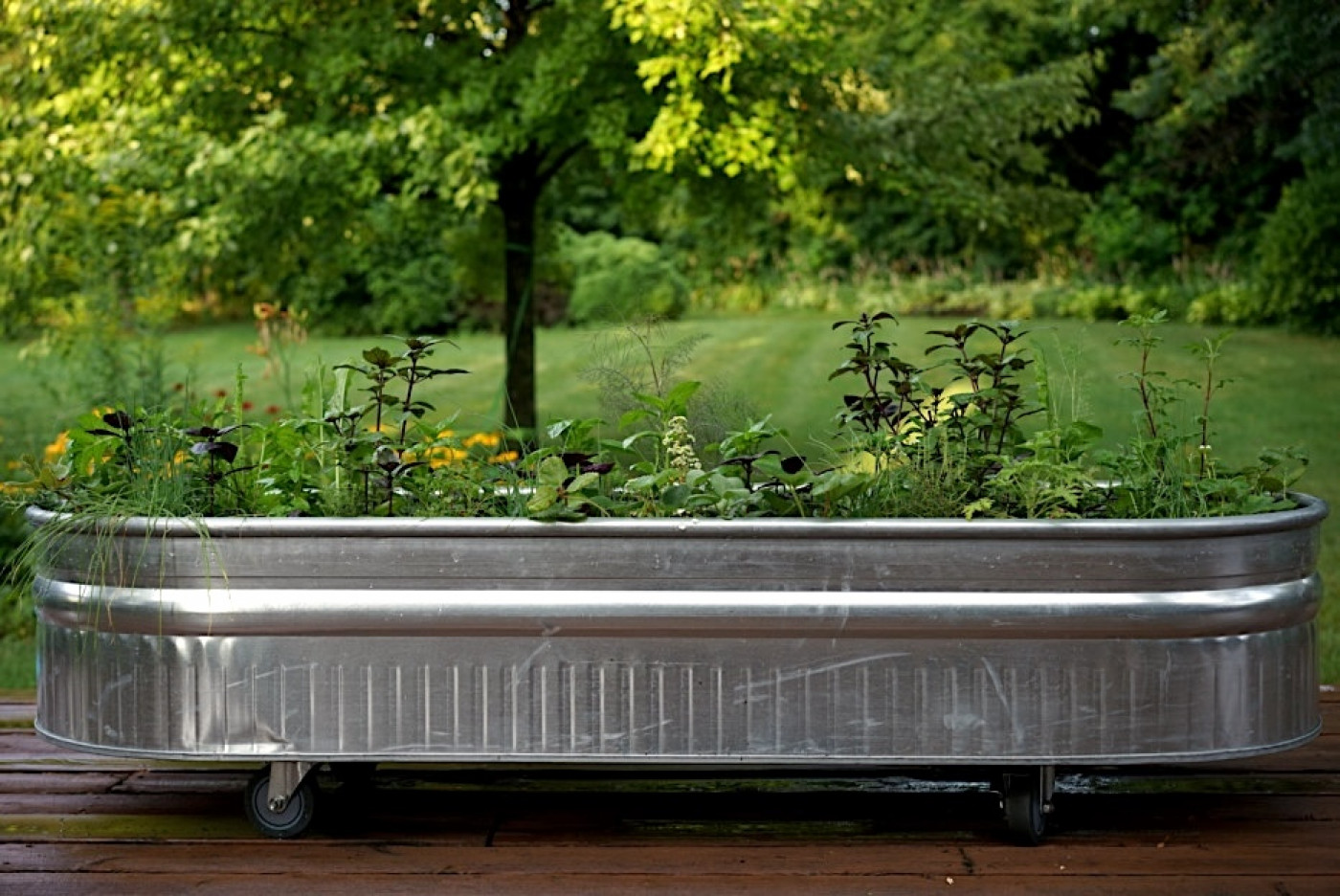
Good drainage is essential to prevent root rot. Raised beds help improve drainage by lifting plants above wet ground. Avoid low areas where water collects after rain. Test the site by digging a hole and filling it with water. The water should drain away within a few hours.
Credit: www.gardenary.com
Gathering Materials
Gathering the right materials is the foundation of building a successful raised garden bed for growing ginseng. Every choice you make here affects the growth and health of your plants. Let’s break down what you need to get started and why each item matters.
Types Of Wood And Alternatives
Choosing the right wood is crucial because ginseng prefers a natural, chemical-free environment. Cedar and redwood are great options since they resist rot and don’t leach harmful chemicals into the soil.
If you want a budget-friendly alternative, consider untreated pine, but be aware it may not last as long. Avoid pressure-treated wood, which contains chemicals that can harm your plants.
Other materials like stone, bricks, or recycled plastic lumber can also work well and last longer, but they might be trickier to assemble or more expensive.
Tools Needed
Having the right tools makes building your raised bed easier and more precise. At a minimum, you’ll need:
- A saw to cut the wood to size
- A drill or screwdriver for assembling the bed
- A measuring tape to ensure accurate dimensions
- A level to keep your bed even
- Work gloves to protect your hands
Think about your workspace too. A clean, flat surface helps you work efficiently and keeps your materials organized.
Soil And Compost Selection
Ginseng thrives in well-drained, rich soil with plenty of organic matter. You’ll need a mix that mimics a forest floor—loamy and slightly acidic.
Choose high-quality compost made from leaves and aged wood chips rather than manure-based options, which can be too strong for ginseng roots. Adding leaf mold is also a great way to boost moisture retention and provide nutrients.
Have you tested your soil’s pH level? Ginseng prefers a pH between 5.5 and 6.0. Adjusting your soil now will save trouble down the line.
Building The Frame
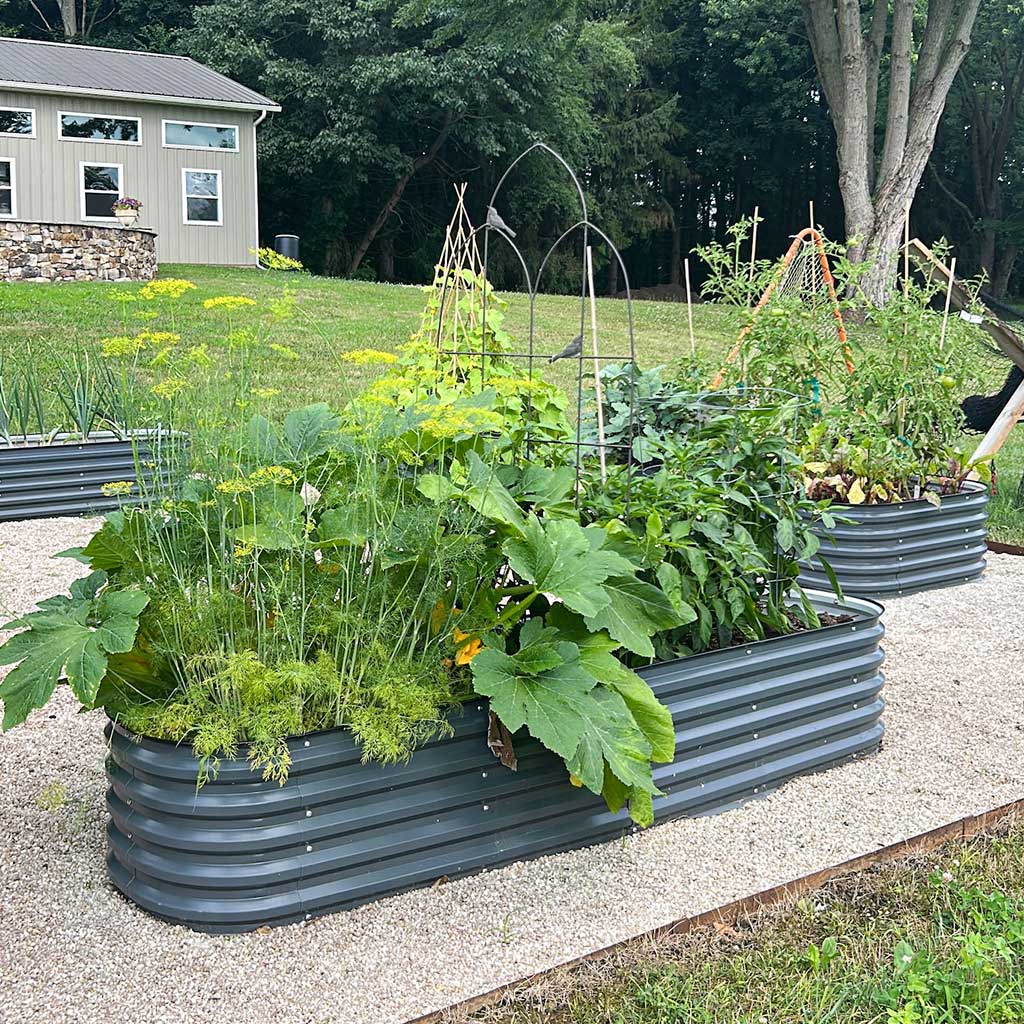
Building the frame is a key part of creating raised garden beds for growing ginseng. A strong frame holds soil well and keeps plants safe. Choose wood that resists rot and lasts outdoors. Cedar and redwood are good options. The frame size depends on your space and ginseng needs. Keep the bed shallow but wide for root growth and air flow.
Measuring And Cutting Wood
Start by measuring the area for your raised bed. Mark the wood pieces carefully using a pencil and square. Cut the wood to the right length with a saw. Smooth any rough edges with sandpaper. Precise cuts help the frame fit tightly together. Use 2×6 or 2×8 lumber for a sturdy frame.
Assembling The Bed
Lay the cut wood pieces on a flat surface in a rectangular shape. Join the corners using screws or galvanized nails. Drill pilot holes to avoid splitting the wood. Check the corners with a carpenter’s square to keep them square. Attach additional support pieces if the bed is large. This improves durability and shape.
Ensuring Stability
Place the frame on level ground to prevent tilting. Drive wooden stakes into the soil at each corner for extra support. Secure the stakes to the frame with screws or nails. Add cross braces inside the frame if needed to stop bowing. A stable frame holds soil and protects ginseng roots well.
Credit: www.vegega.com
Preparing The Soil Mix
Preparing the soil mix is a vital step for growing healthy ginseng in raised garden beds. The right soil supports root growth and provides essential nutrients. Ginseng prefers loose, well-drained soil that retains moisture without becoming waterlogged. Proper soil preparation ensures the roots develop strong and the plants thrive over time.
Ideal Soil Composition For Ginseng
Ginseng needs soil rich in organic matter and good drainage. A mix of sandy loam and leaf mold works well. The soil should be light, allowing air to reach the roots easily. Avoid heavy clay or pure sand, as they harm root growth.
- 40% sandy loam for drainage
- 40% leaf mold or compost for nutrients
- 20% fine pine bark for aeration
This blend mimics the natural forest floor where ginseng grows best. It keeps moisture balanced and supports root health.
Adding Nutrients And Amendments
Enhance the soil with natural nutrients to boost growth. Use well-rotted compost to add organic matter. Bone meal and rock phosphate supply phosphorus, vital for root development.
- 2 cups of bone meal per square foot
- 1 cup of rock phosphate per square foot
- Use compost to improve soil texture and fertility
Mix amendments thoroughly into the soil to avoid uneven nutrient distribution. Avoid synthetic fertilizers, as ginseng prefers natural sources.
Testing Soil Ph
Ginseng grows best in slightly acidic soil. Aim for a pH between 5.5 and 6.5. Test soil pH using a simple kit or meter before planting.
If the soil is too alkaline, add elemental sulfur to lower pH. If too acidic, add lime to raise pH. Adjust gradually and retest after a few weeks.
Maintaining the correct pH ensures nutrient availability and healthy root growth.
Planting Ginseng
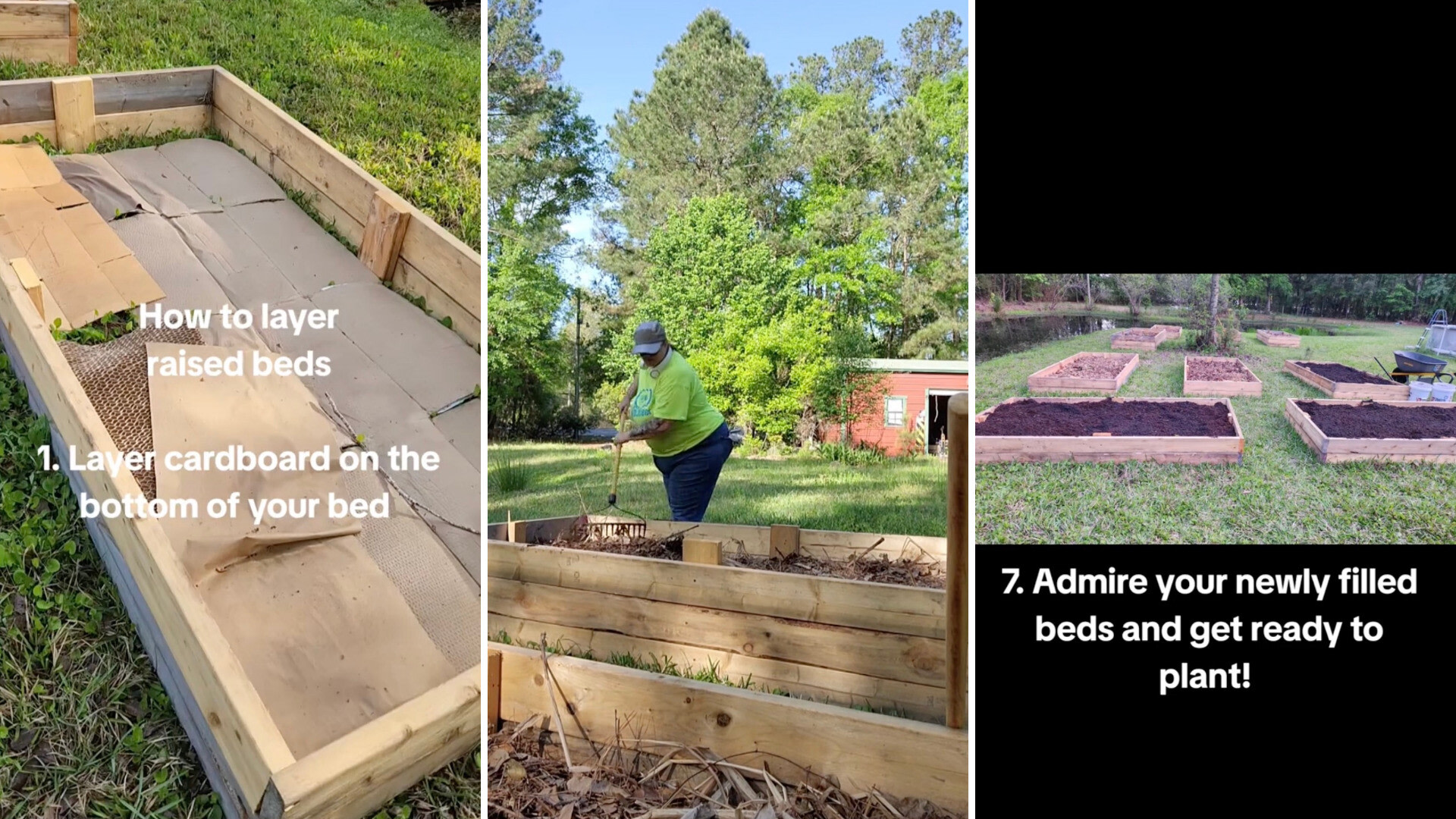
Planting ginseng in raised garden beds requires careful attention to detail to ensure healthy growth and a good harvest. The process begins with choosing the right planting material, followed by setting the correct depth and spacing. Proper watering techniques are crucial to mimic the natural environment ginseng thrives in.
Selecting Seeds Or Roots
Choosing between seeds and roots depends on your patience and experience. Seeds take longer to mature but can be more cost-effective, while roots give you a head start on growth. Look for high-quality, disease-free seeds or roots from reputable suppliers to avoid setbacks.
Have you considered starting with two-year-old roots? They often establish faster and produce better yields compared to seeds.
Planting Depth And Spacing
Plant your ginseng seeds or roots about 1 to 2 inches deep in the soil. Too shallow, and they risk drying out; too deep, and they might struggle to sprout. Space each plant roughly 6 inches apart to give roots room to spread and access nutrients.
Think about the airflow between plants. Crowding can lead to mold and disease, which ginseng is sensitive to.
Watering Techniques
Ginseng prefers consistently moist soil but hates waterlogging. Water your raised beds deeply and evenly, allowing the top inch of soil to dry slightly between watering. Using a drip irrigation system can help maintain steady moisture without overwatering.
Have you noticed how natural forest floors stay damp but never soggy? Try to replicate that balance for your garden bed.
Credit: www.thecooldown.com
Maintaining The Raised Bed
Maintaining your raised garden bed is essential to ensure healthy ginseng growth and a bountiful harvest. Regular care helps keep the soil fertile, controls pests naturally, and prepares your plants for seasonal changes. Let’s dive into key practices that will keep your raised bed thriving.
Mulching Tips
Mulching helps retain moisture and regulate soil temperature, which is crucial for ginseng roots. Use organic mulch like shredded leaves or straw to create a protective layer about 2-3 inches thick.
Apply mulch evenly, but avoid piling it directly against the plant stems to prevent rot. Refresh the mulch layer each spring to replenish nutrients and keep weeds at bay.
Pest And Disease Control
Ginseng can attract pests like slugs and root rot fungi. Monitor your bed weekly for signs of damage or discoloration on leaves and stems.
Encourage beneficial insects like ladybugs by planting companion plants nearby. If pests become a problem, try natural remedies such as neem oil or diatomaceous earth instead of harsh chemicals.
Seasonal Care
Adjust your care routine with the changing seasons to support ginseng’s growth cycle. In spring, focus on watering and mulching as new shoots emerge.
During fall, clear away dead leaves and add compost to enrich the soil before winter. Ask yourself: Is your raised bed ready to protect roots from freezing temperatures?
Harvesting Ginseng
Harvesting ginseng is a delicate process that requires patience and care. The quality of the root depends on the right timing and proper handling. This section explains how to harvest ginseng effectively to keep the roots healthy and valuable.
When To Harvest
Ginseng roots need at least 4 to 6 years to mature. Harvesting too early results in small, less potent roots. The best time to harvest is in the fall, usually from late September to early November. At this time, the plant’s leaves turn yellow or red, signaling maturity. Harvesting after the leaves die back but before the ground freezes ensures the root’s quality.
Harvesting Methods
Use a digging fork or spade to loosen the soil gently. Avoid damaging the root, as this lowers its value. Start digging about 6 to 8 inches away from the plant base. Lift the soil carefully and pull the root out with the soil attached. Brush off loose dirt but do not wash the roots immediately. Handle the roots gently to prevent bruising.
Post-harvest Handling
After digging, place roots in a cool, shaded area. Spread them out on a screen or rack to dry. Proper drying prevents mold and decay. Roots should dry for several days until firm and crisp. Store dried roots in a paper bag or breathable container. Keep them in a cool, dry place away from direct sunlight. Proper handling maintains the root’s quality for sale or personal use.
Frequently Asked Questions
What Materials Are Best For Raised Garden Beds?
Wood, cedar, and composite materials work best for raised beds. They resist rot and last longer. Avoid treated wood with harmful chemicals to keep your ginseng safe.
How Deep Should A Raised Bed Be For Ginseng?
A depth of 12 to 18 inches is ideal. This allows ginseng roots to grow well. Good soil drainage and loose soil are important for root development.
Can I Grow Ginseng In Partial Shade Raised Beds?
Yes, ginseng thrives in partial to full shade. Raised beds in shaded areas mimic its natural forest habitat. Avoid direct sunlight to prevent leaf burn and stress.
How Often Should I Water Ginseng In Raised Beds?
Water ginseng regularly to keep soil moist but not soggy. Proper watering supports healthy root growth. Check soil moisture frequently, especially during dry spells.
Conclusion
Raised garden beds help ginseng grow strong and healthy. They give good soil and drainage for roots. You can control the space and protect plants better. Start with clean materials and rich soil. Keep the beds moist but not too wet.
Watch your ginseng grow year by year. Small efforts bring great results. Try making your own raised bed and enjoy fresh ginseng soon. Gardening can be simple and rewarding. Give it a try!