
Are you wondering what to grow in your garden now? Choosing the right plants at the right time can make all the difference between a thriving garden and a disappointing patch.
You want your garden to burst with life, color, and fresh flavors, but knowing where to start can feel overwhelming. You’ll discover easy, practical tips that help you pick the perfect crops for this season. Keep reading, and you’ll be ready to transform your garden into a vibrant, productive space before you know it.
Seasonal Planting Guide
Knowing what to plant in your garden right now makes a big difference in your harvest’s success. The Seasonal Planting Guide helps you pick the right crops that match the current weather and soil conditions. This way, you avoid wasting time and effort on plants that won’t thrive.
Best Vegetables For This Time
Right now, cool-season vegetables often do well because the soil is still warm but the air is starting to cool. You can plant:
- Spinach– It grows fast and handles cooler temperatures.
- Carrots– They develop sweet flavors when matured in cooler weather.
- Broccoli– Prefers cooler climates and can handle light frost.
- Radishes– Ready to harvest in just a few weeks.
Are you ready to try vegetables that reward patience with rich, intense flavors this season?
Top Flowers To Plant Now
Flowers add color and attract beneficial insects to your garden. Planting the right flowers now ensures they bloom beautifully. Consider these:
- Pansies– Bright, hardy, and perfect for cooler weather.
- Snapdragons– They tolerate cold and bloom all season long.
- Calendula– Known for its bright orange flowers and pest-repelling properties.
Imagine your garden buzzing with bees and butterflies, all thanks to the flowers you chose today.
Herbs That Thrive Today
Herbs are easy to grow and bring fresh flavors to your kitchen. Some herbs do best when planted in this season. Try:
- Parsley– It grows steadily and can handle cooler nights.
- Cilantro– Prefers cooler weather and bolts quickly in heat.
- Thyme– Hardy and drought-resistant, perfect for transitioning seasons.
Have you thought about how fresh herbs could change your cooking and outdoor space right now?
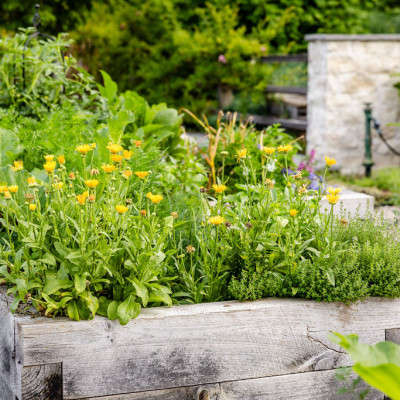
Credit: www.gardenary.com
Soil Preparation Tips
Preparing your soil properly is key to a thriving garden. Without good soil, even the best seeds struggle to grow. Taking time to test, amend, and protect your soil sets the stage for healthy plants and bountiful harvests.
Testing And Amending Soil
Start by checking your soil’s pH and nutrient levels using a simple test kit. Knowing if your soil is too acidic or alkaline helps you choose the right amendments.
If your soil lacks nutrients, add organic matter like compost or well-rotted manure. Clay soils benefit from sand or gypsum to improve drainage, while sandy soils hold moisture better with added organic material.
Have you ever noticed plants wilting quickly after watering? It might be your soil’s texture causing poor water retention. Adjusting it early can save your plants from stress later.
Composting Basics
Compost is a gardener’s secret weapon. It feeds your soil with essential nutrients and improves texture.
Start your own compost pile with kitchen scraps, leaves, grass clippings, and small branches. Avoid meat, dairy, and oily foods as they attract pests.
Turn your compost regularly to speed up decomposition. In a few months, you’ll have rich, dark soil that your plants will love.
Mulching Techniques
Mulch protects your soil and plants by retaining moisture and suppressing weeds. Organic mulches like straw, wood chips, or shredded leaves also add nutrients as they break down.
Apply mulch in a 2-3 inch layer around your plants but keep it a few inches away from stems to prevent rot. It’s a simple step that reduces watering needs and keeps roots cool.
Are you watering your garden daily but still seeing dry soil? Mulching might be the missing piece to hold that moisture in place longer.
Climate Considerations
Choosing the right plants for your garden depends heavily on climate. Understanding your local weather patterns helps select crops that will thrive. Knowing the risks and benefits tied to your climate leads to better growth and harvests.
Plants react differently to temperature, rainfall, and sunlight. Adjusting your garden plans to these factors ensures healthier plants and less wasted effort.
Adjusting For Local Weather
Local weather varies from place to place. Some areas have hot summers, others stay cool. Rainfall can be abundant or scarce. Study your area’s average temperatures and rainfall.
Choose plants that match your local conditions. For example:
- Heat-loving plants for warm climates
- Cool-weather crops for milder zones
- Drought-resistant varieties if rain is low
Adjust watering and care to support your plants through weather changes.
Frost Dates And Planting
Frost can kill young plants. Know your area’s last spring frost and first fall frost dates. These dates guide when to start seeds or transplant seedlings outdoors.
Plant tender crops after the last frost date. Hardier plants can go in before frost ends. Use a frost calendar specific to your region for accuracy.
Protect plants if an unexpected frost threatens. Cover them with cloth or plastic during cold nights.
Microclimate Benefits
A microclimate is a small area with different conditions than the surrounding region. It can be warmer, cooler, wetter, or drier. Use microclimates to your advantage.
- Plant heat-loving species near walls or paved areas that retain warmth
- Use shady spots for plants that need less sun
- Find sheltered areas to protect from wind or frost
Understanding microclimates can extend your growing season and improve plant health.

Credit: www.youtube.com
Watering And Irrigation
Watering and irrigation are key to a healthy garden. Plants need just the right amount of water to thrive. Too little water can stress them, while too much can cause root problems. Proper watering helps plants grow strong and produce better yields. Understanding efficient watering methods and setting up good irrigation can save water and time.
Efficient Watering Methods
Water plants early in the morning or late in the evening. This reduces water loss from evaporation. Use a watering can or hose with a spray nozzle for better control. Water the soil, not the leaves, to prevent diseases. Mulching around plants helps keep moisture in the soil longer.
Avoiding Overwatering
Check soil moisture before watering. Stick your finger about an inch into the soil. If it feels moist, wait before watering again. Overwatering can cause yellow leaves and root rot. Use pots with drainage holes to stop water buildup. Water deeply but less often to encourage strong roots.
Setting Up Drip Systems
Drip irrigation delivers water directly to plant roots. It saves water by reducing evaporation and runoff. Set drip lines or emitters near the base of plants. Use timers to water plants at set times automatically. Drip systems work well in vegetable gardens and flower beds. They reduce water waste and keep plants healthy.
Pest And Disease Control
Keeping your garden healthy means staying ahead of pests and diseases. These unwelcome visitors can quickly turn your thriving plants into a struggling patch. Understanding what pests and diseases are active now helps you take timely action to protect your garden.
Common Garden Pests Now
Right now, aphids, slugs, and spider mites are some of the pests that can cause the most trouble. Aphids often cluster on new shoots, sucking sap and spreading viruses. Slugs love damp conditions and can quickly decimate young seedlings overnight.
Spider mites are tiny but deadly, creating webs on leaves and causing yellow spots. If you notice distorted or sticky leaves, it’s time to check for these pests. Are you inspecting your plants regularly enough to catch these signs early?
Natural Pest Remedies
Instead of reaching for harsh chemicals, try natural solutions that work with your garden’s ecosystem. Introducing ladybugs can help reduce aphid populations—they’re efficient and won’t harm your plants.
Hand-picking slugs during the evening or using beer traps can cut down their numbers. Spraying a mix of water and a few drops of dish soap can also deter spider mites without damaging leaves.
These remedies take patience but often lead to long-lasting pest control. Have you tried any natural pest solutions that surprised you with their effectiveness?
Preventing Plant Diseases
Diseases spread quickly if you don’t create barriers. Start by watering at the base of plants to keep leaves dry and reduce fungal infections. Avoid overcrowding your plants to improve air circulation and limit disease spread.
Remove any diseased leaves or plants immediately to stop pathogens from moving to healthy ones. Using disease-resistant varieties can also make a big difference in what you grow now.
Regularly cleaning your garden tools prevents transferring diseases between plants. What small habit could you add to your routine that might save your garden from a disease outbreak?
Garden Maintenance
Maintaining your garden is just as important as planting the right crops. A well-tended garden stays healthy, looks beautiful, and produces better yields. Focusing on regular garden maintenance tasks will keep your plants thriving and reduce future problems.
Pruning And Deadheading
Pruning helps your plants grow stronger by removing dead or overcrowded branches. It improves air circulation, which lowers the risk of disease. Deadheading, or cutting off spent flowers, encourages plants to produce more blooms instead of seeds.
I once ignored deadheading on my rose bushes, and they stopped flowering early. Once I started removing the wilted flowers regularly, they bloomed nonstop for weeks. What flowers in your garden could benefit from a quick trim today?
Supporting Growing Plants
Tall or vining plants need support to avoid breaking or sprawling. Use stakes, cages, or trellises to keep plants upright and organized. This support also helps you access fruits or flowers easily and reduces pest problems.
Try tying tomato stems loosely with soft garden ties or old pantyhose—they won’t cut into the plant. Have you checked if your plants need extra support before wind or rain arrives?
Regular Garden Cleanups
Cleaning your garden removes debris that can harbor pests and diseases. Clear fallen leaves, weeds, and old plant material weekly. This simple habit keeps the garden tidy and makes room for new growth.
Last season, a quick cleanup before planting saved me from a slug invasion. What small cleanup task can you do this weekend to protect your garden?
Harvesting Tips
Harvesting your garden’s bounty at the right time and handling it properly can make a huge difference in taste and longevity. Knowing exactly when to pick each vegetable ensures you enjoy peak flavor and nutrition. Plus, smart storage techniques help you savor your fresh produce long after it leaves the garden.
When To Pick Vegetables
Each vegetable has its own perfect picking window. For example, tomatoes are best harvested when they reach full color and feel slightly soft to the touch. Peas, on the other hand, should be picked when pods are plump but still tender.
Check your vegetables daily as they mature. Overripe produce can lose flavor and texture quickly. Have you noticed how cucumbers get bitter if left on the vine too long? That’s why timing matters.
Extending Harvest Times
You can stretch your harvest season by picking regularly and using simple garden tricks. Try harvesting leafy greens like lettuce early in the morning when they’re crisp. Pinching off flowers from some plants can delay fruiting and encourage more growth.
Interplanting fast-growing crops like radishes with slower ones such as carrots also keeps your garden productive over weeks. Do you ever stagger your planting dates? It’s a great way to keep fresh veggies coming steadily.
Storing Fresh Produce
Proper storage keeps your veggies fresh and tasty longer. Root vegetables like carrots and beets store well in a cool, dark place with high humidity. Leafy greens stay crisp when wrapped in a damp paper towel inside a plastic bag in the fridge.
Some fruits and vegetables release gases that speed up ripening. Keep ethylene-sensitive produce like cucumbers and leafy greens separate from ethylene producers like apples and tomatoes. Have you tried freezing extra harvests? It’s an easy way to reduce waste and enjoy your garden’s gifts all year.

Credit: www.thetimes.com
Expert Planting Hacks
Expert planting hacks help gardeners get the best results from their garden. These tips improve plant health and increase harvests. Using simple strategies can save time and effort. Smart planting choices keep your garden thriving all season.
Companion Planting Ideas
Companion planting pairs plants that help each other grow. Some plants repel pests, while others improve soil nutrients. Planting basil near tomatoes can boost tomato flavor and keep bugs away.
- Marigolds protect vegetables from harmful insects.
- Beans fix nitrogen in the soil for nearby plants.
- Carrots and onions planted together reduce pests.
Choose plants that support each other to create a healthy garden environment.
Succession Planting Strategies
Succession planting means growing crops one after another in the same space. It keeps the garden producing fresh vegetables all season long. After harvesting early crops, plant new seeds quickly in the empty space.
- Plant lettuce and radishes early, then follow with beans.
- Grow fast-maturing crops to fill gaps between slower ones.
- Use different seed varieties to extend harvest time.
This strategy maximizes garden space and increases yield.
Using Raised Beds Effectively
Raised beds improve soil drainage and warmth. They make planting and harvesting easier. Use good quality soil mixed with compost for best results.
- Plant root crops like carrots and beets in loose soil.
- Group plants with similar water needs together.
- Use mulch to keep soil moist and reduce weeds.
Raised beds help create an organized and productive garden space.
Frequently Asked Questions
What Vegetables Grow Best In The Garden Now?
Cool-season vegetables like lettuce, spinach, kale, and radishes grow best now. These crops thrive in mild temperatures and shorter daylight. Starting these plants now ensures a fresh, healthy harvest before summer heat arrives.
When Is The Best Time To Plant Herbs Outdoors?
Plant herbs outdoors in early spring or late summer. They need warm soil but not intense heat. Timing depends on your local climate and frost dates. Proper planting helps herbs establish strong roots and flavorful leaves.
Can I Grow Fruits In My Garden This Season?
Yes, you can grow strawberries, raspberries, and blueberries now. These fruits prefer cooler weather and well-drained soil. Starting them this season allows plants to mature for a summer or early fall harvest.
How Do I Prepare Soil For Planting Now?
Remove weeds and debris, then loosen the soil. Add compost or organic matter to enrich nutrients. Proper soil preparation improves drainage and root growth, creating ideal conditions for your new plants.
Conclusion
Planting the right crops now helps your garden grow strong. Choose seeds that suit the season and your climate. Water regularly and watch your plants thrive. Small efforts each day bring big results later. Enjoy fresh vegetables and flowers from your own garden.
Gardening connects you to nature and brings calm. Start today and see your garden bloom soon.