
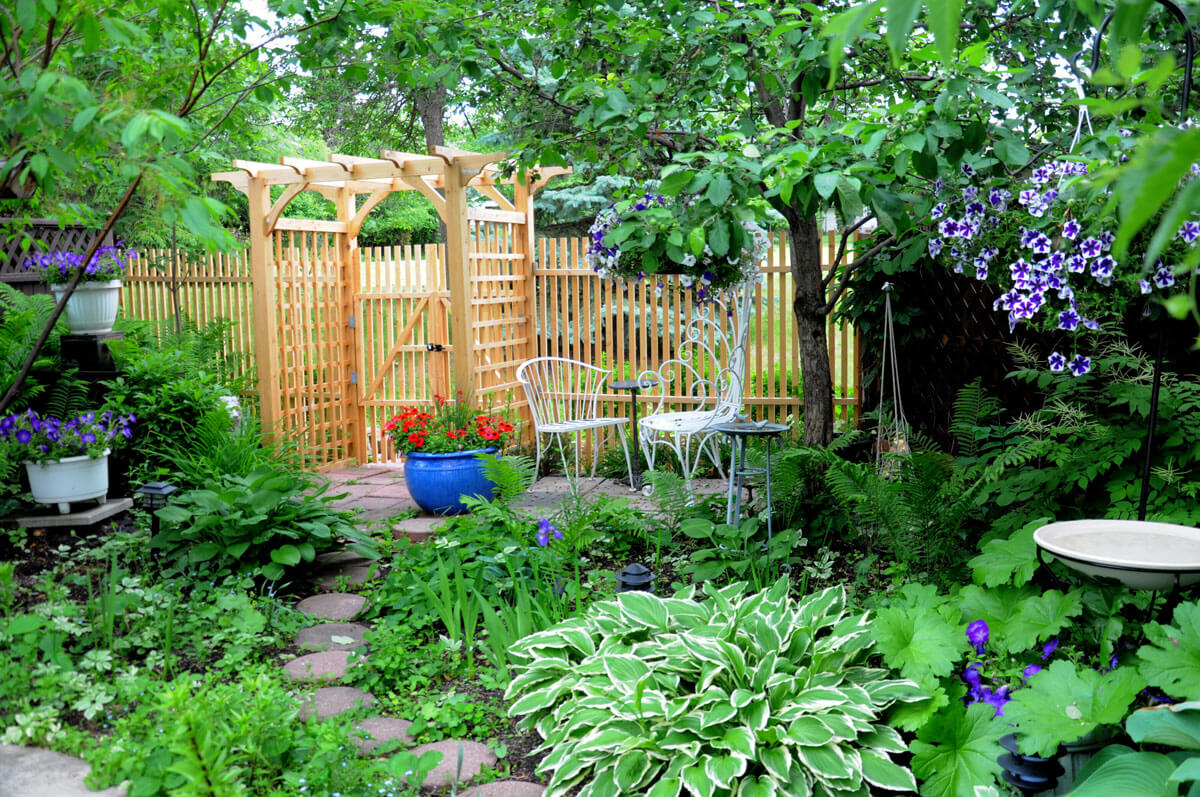
Are you wondering what to grow in your garden in Ontario? Choosing the right plants can make all the difference between a garden that thrives and one that struggles.
You want your garden to be full of life, color, and delicious produce, but the tricky weather and soil conditions in Ontario can make it confusing. You’ll discover the best plants suited for your local climate and how to get the most out of your garden space.
By the end, you’ll feel confident and excited to start planting, knowing your garden will flourish season after season. Keep reading to unlock the secrets to a successful Ontario garden!

Credit: www.inournature.ca
Climate And Soil In Ontario
Understanding the climate and soil in Ontario is key to choosing the right plants for your garden. The province’s diverse weather and soil conditions influence what thrives and what struggles. Knowing these factors helps you create a garden that blooms beautifully throughout the seasons.
Seasonal Weather Patterns
Ontario experiences four distinct seasons, each affecting your garden differently. Winters can be harsh with freezing temperatures, so choosing hardy plants is essential. Summers are warm and sometimes humid, perfect for vegetables like tomatoes and peppers.
Spring and fall offer shorter growing periods but are ideal for cool-weather crops like lettuce and spinach. You might wonder how unpredictable spring frosts will impact your seedlings. Keeping an eye on local frost dates can help you protect young plants from sudden cold snaps.
Rainfall varies across regions, with southern Ontario generally receiving more consistent moisture than northern areas. This influences how often you need to water and what plants can handle dry spells. Have you noticed which plants in your garden handle wet periods better?
Soil Types And Preparation
Ontario’s soil varies from sandy in some areas to clay-heavy in others. Sandy soil drains quickly but holds fewer nutrients, while clay soil retains moisture but can become compacted. Testing your soil helps you understand its texture and nutrient levels.
Improving soil often means adding organic matter like compost or aged manure. This boosts fertility and improves drainage, especially in heavy clay soils. If your soil feels hard or doesn’t crumble easily, mixing in organic material can make a big difference.
Don’t forget to check your soil’s pH. Most garden plants prefer a slightly acidic to neutral pH (around 6.0 to 7.0). If your soil is too acidic or alkaline, simple amendments like lime or sulfur can adjust the balance. Have you ever tested your soil’s pH before planting?
Best Vegetables For Ontario Gardens
Choosing the right vegetables for your Ontario garden can boost your harvest and enjoyment. Ontario’s climate has cold winters and warm summers. This means selecting vegetables that grow well in these conditions is key. Some vegetables thrive in cooler weather, while others need warmth. Perennial vegetables offer a chance to harvest year after year with less effort. Knowing which vegetables suit your garden will help you plan better and grow successfully.
Cool-season Crops
Cool-season crops grow best in early spring and fall. They tolerate frost and prefer cooler temperatures. These vegetables mature quickly and fit well in Ontario’s short growing season.
- Lettuce: Grows fast and prefers shade in summer.
- Spinach: Tolerates cold and is rich in nutrients.
- Peas: Enjoy cool weather and add nitrogen to soil.
- Broccoli: Needs cooler days to develop tight heads.
- Radishes: Quick-growing and good for beginners.
Warm-season Crops
Warm-season crops need warmer soil and air temperatures. Plant them after the last frost date in Ontario. They require more sun and longer days to grow well.
- Tomatoes: Popular and versatile in many recipes.
- Peppers: Enjoy heat and produce colorful fruits.
- Cucumbers: Grow fast and provide refreshing harvests.
- Beans: Easy to grow and improve soil fertility.
- Squash: Includes zucchini and winter varieties.
Perennial Vegetables
Perennial vegetables return each year without replanting. They save time and provide reliable harvests. These plants adapt well to Ontario’s climate.
- Asparagus: Takes a few years to establish but lasts decades.
- Jerusalem Artichoke: Grows tall and yields edible tubers.
- Walking Onions: Hardy and produce both bulbs and green tops.
Top Fruits For Ontario
Ontario’s climate suits many fruit varieties. Choosing the right fruits ensures a fruitful garden. Cold winters and warm summers shape what grows best. Focus on hardy fruits that handle Ontario’s weather well. These fruits bring fresh flavors and vibrant colors to your garden.
Berries That Thrive
Berries grow well in Ontario. They need well-drained soil and good sunlight. Consider these berry types:
- Strawberries – Easy to grow and produce sweet fruit.
- Raspberries – Thrive in cooler climates and offer high yields.
- Blueberries – Require acidic soil but reward with delicious berries.
- Blackberries – Hardy and produce large, juicy berries.
Berries attract birds and pollinators. They fit well in small spaces or containers.
Fruit Trees To Consider
Fruit trees add beauty and shade to your garden. Choose varieties that survive cold winters:
- Apple trees – Many varieties grow well in Ontario’s climate.
- Pear trees – Require less care and produce tasty fruit.
- Plum trees – Adapted to cooler regions and yield sweet fruit.
- Cherry trees – Sour cherries perform better than sweet ones here.
Plant fruit trees in sunny spots with space for growth. Regular pruning boosts fruit production and tree health.
Growing Grapes Successfully
Grapes can grow well in Ontario with the right care. Choose cold-hardy grape varieties such as Concord or Niagara. Plant grapes in full sun with well-drained soil. Use a trellis or support for the vines to climb. Regular watering and pruning help grapes produce sweet, juicy bunches. Watch for pests and diseases and treat early. Harvest grapes in late summer or early fall for best flavor.

Credit: localgardener.net
Herbs That Flourish
Choosing herbs that thrive in Ontario’s climate can transform your garden into a vibrant, useful space. Herbs not only add fresh flavors to your meals but can also support your health and fill your garden with delightful scents. Let’s look at herbs that grow well in Ontario and how you can make the most of them.
Common Culinary Herbs
Many culinary herbs are surprisingly easy to grow in Ontario’s seasonal weather. Basil, rosemary, and thyme are popular choices that flourish in well-drained soil and full sun.
- Basil:It loves warmth and sun. Plant basil after the last frost and watch it grow fast. Fresh basil can elevate your salads and pasta dishes.
- Rosemary:This hardy herb can survive Ontario winters if given protection. Its piney aroma is perfect for roasting meats or making herb-infused oils.
- Thyme:Known for its resilience, thyme thrives in rocky or poor soil. It’s a low-maintenance herb that enhances soups and stews.
Have you tried harvesting herbs just before cooking? The fresh aroma and taste make a big difference in your dishes.
Medicinal And Aromatic Herbs
Beyond cooking, some herbs offer health benefits and create a calming atmosphere in your garden. Lavender and chamomile are excellent examples that grow well in Ontario.
- Lavender:It prefers sunny, dry spots and attracts pollinators. Use its flowers for homemade sachets or calming teas.
- Chamomile:This gentle herb grows best in cooler climates and light shade. Its flowers can be brewed into soothing tea to help you relax after a long day.
- Echinacea:Known for its immune-boosting properties, echinacea is a hardy perennial that adds vibrant color and health benefits to your garden.
Have you noticed how the scent of your garden can change your mood? Try planting aromatic herbs near your seating area to enjoy their calming effects daily.
Flowers To Brighten Your Garden
Adding flowers to your garden in Ontario can instantly lift its mood and charm. Flowers bring bursts of color, attract pollinators, and provide a sense of accomplishment as you watch them flourish. Choosing the right mix of flowers will keep your garden lively through different seasons.
Annuals For Color
Annuals are perfect if you want quick and vibrant color. They complete their life cycle in one growing season, so you get to enjoy fresh blooms year after year by planting new seeds or seedlings.
Some popular annuals for Ontario gardens include:
- Marigolds:Bright yellows and oranges that tolerate sun well.
- Petunias:Available in many colors and great for containers or beds.
- Impatiens:Ideal for shaded areas with striking reds, pinks, and whites.
Think about how you want to use your annuals—do you prefer bold splashes of color or a gentle blend? Mixing different textures and heights keeps your garden interesting throughout the season.
Perennials For Longevity
Perennials return year after year, making them a smart investment for long-term beauty. They often require less maintenance once established and can create a strong foundation in your garden.
Consider these perennials that thrive in Ontario:
- Black-eyed Susans:Bright yellow petals with dark centers that bloom mid to late summer.
- Coneflowers (Echinacea):Known for their resilience and ability to attract butterflies.
- Hostas:Perfect for shady spots with lush foliage and subtle flowers.
How much time can you dedicate to garden care? Choosing the right perennials can reduce your workload while keeping your garden vibrant year after year.

Credit: www.inournature.ca
Tips For Extending The Growing Season
Extending your growing season in Ontario can make a big difference in how much you harvest from your garden. Cooler temperatures and shorter days often limit what you can grow and when. But with a few smart techniques, you can keep your garden productive well beyond the usual season.
Using Raised Beds
Raised beds warm up faster in spring and drain better, helping your plants get a head start. You can fill them with quality soil that holds heat, which helps roots develop quickly. Have you noticed how certain vegetables like lettuce and spinach thrive early in raised beds compared to traditional ground plots?
Building your beds with wood or stone also protects plants from soil compaction and pests. You might want to line the bottom with a layer of compost or manure to provide extra nutrients throughout the season. Raised beds make it easier to cover plants with row covers or frost blankets when cold nights hit.
Cold Frames And Greenhouses
Cold frames and greenhouses create a mini climate that shields your plants from frost and chilly winds. Even a simple cold frame made from old windows or clear plastic can boost temperatures by several degrees. This allows you to start seedlings weeks earlier or keep growing leafy greens late into the fall.
If you have space and budget, investing in a small greenhouse can give you full control over temperature and humidity. You can experiment with growing tomatoes or peppers longer than usual. Think about how you could use these structures to protect sensitive crops during unexpected cold snaps or early frosts.
- Use cold frames to harden off seedlings before planting outside.
- Keep greenhouse vents open on warm days to prevent overheating.
- Add a heat source like a compost pile or small heater for winter growing.
Pest And Disease Management
Managing pests and diseases in your Ontario garden is crucial to keep your plants healthy and productive. Ignoring these issues can quickly turn your thriving garden into a struggling one. Taking proactive steps helps you maintain a balanced ecosystem and reduces the need for harsh chemicals.
Natural Pest Control Methods
Using natural pest control is safer for you, your plants, and beneficial insects. Introducing ladybugs or lacewings can help control aphids without chemicals. You can attract these helpful insects by planting flowers like marigolds and dill around your garden.
Neem oil is another effective natural solution. It disrupts pest growth and feeding but is gentle on plants. Spray neem oil early in the morning or late in the evening to avoid leaf burn.
Physical barriers, like row covers or sticky traps, also work well. They prevent pests from reaching your plants while letting sunlight and water through. Have you tried using garlic or chili sprays? They can deter many insects by their strong smell and taste.
Preventing Common Plant Diseases
Preventing diseases is easier than curing them. Start by choosing disease-resistant plant varieties suited for Ontario’s climate. Rotate your crops every year to avoid soil-borne diseases from building up.
Water your plants at the base instead of overhead. Wet leaves create a perfect environment for fungal infections. Also, avoid overcrowding plants to improve air circulation, which helps leaves dry faster.
Remove any diseased leaves or plants immediately to stop the spread. Compost healthy plant material only, as infected debris can harbor pathogens. Have you inspected your garden regularly? Early detection is key to stopping diseases before they take over.
Frequently Asked Questions
What Vegetables Grow Best In Ontario Gardens?
Cool-season vegetables like lettuce, spinach, and carrots thrive in Ontario’s climate. Warm-season crops such as tomatoes, peppers, and beans also do well during summer. Selecting region-specific varieties improves yield and disease resistance.
When Is The Best Time To Plant In Ontario?
Plant cool-season crops in early spring or late summer. Warm-season vegetables should be planted after the last frost date, typically mid-May. Timing ensures optimal growth and reduces risk of frost damage.
Which Fruits Are Ideal For Ontario Gardens?
Apples, strawberries, and raspberries grow well in Ontario. These fruits tolerate cold winters and have suitable chilling hours. Proper site selection and maintenance enhance fruit production and quality.
How Can I Improve Soil For Ontario Gardening?
Add organic matter like compost to enrich soil. Test soil pH and adjust with lime or sulfur if needed. Good drainage and proper aeration promote healthy root development.
Conclusion
Growing a garden in Ontario can bring joy and fresh food. Choose plants that suit the local climate and soil well. Vegetables like tomatoes, beans, and carrots often do great here. Herbs and flowers add color and scent to your space.
Remember to water and care for your plants daily. Small efforts lead to a healthy, thriving garden. Start with easy-to-grow plants to build your confidence. Your garden will grow stronger with time and care. Enjoy the process and the rewards it brings.