
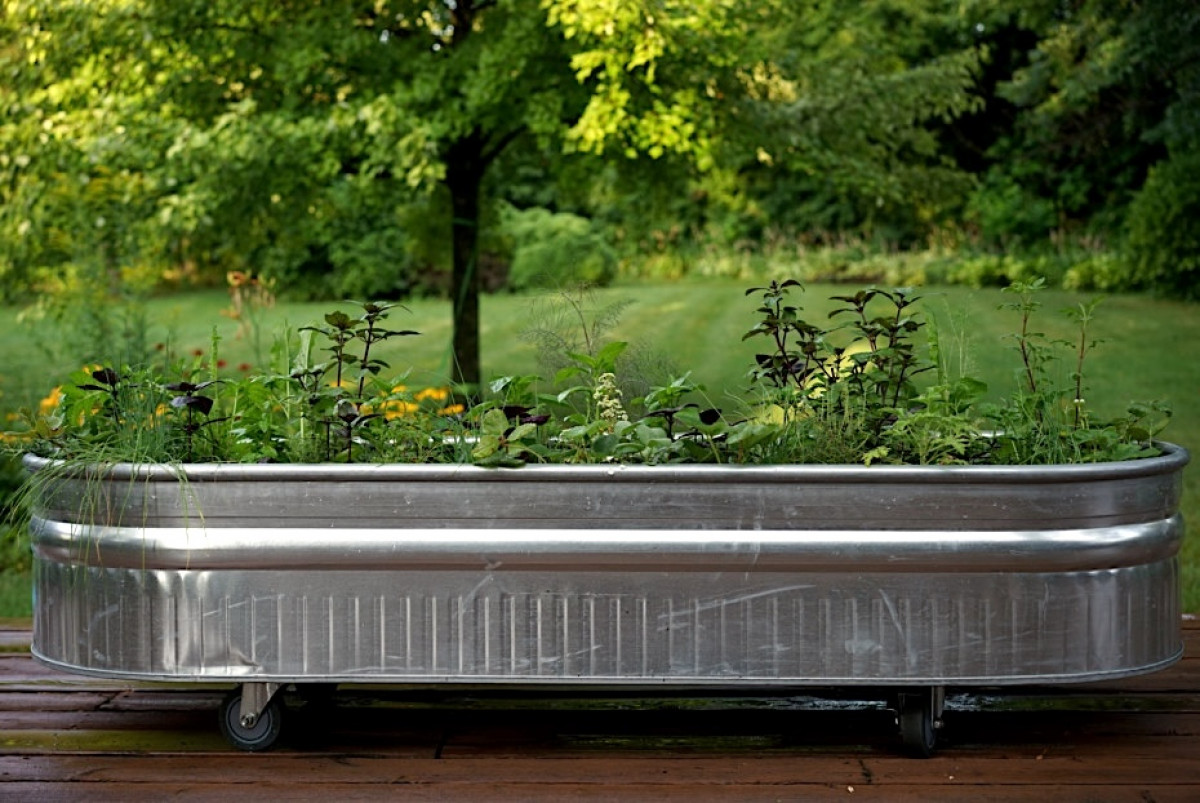
Are you ready to transform your outdoor space into a thriving garden? Building raised garden beds is one of the easiest and most effective ways to grow healthy plants right at home.
Not only do they boost your garden’s productivity, but they also make planting, watering, and harvesting simpler. Imagine having a garden that’s neat, organized, and bursting with fresh vegetables or colorful flowers. In this guide, you’ll discover step-by-step how to make your own raised beds and learn smart tips to help them grow bigger and stronger every season.
Let’s get started and turn your gardening dreams into reality!
Benefits Of Raised Garden Beds
Raised garden beds offer many advantages that can transform your gardening experience. They give you more control over soil conditions, improve plant health, and make gardening easier and more enjoyable. Understanding these benefits can help you decide if raised beds are right for your garden.
Improved Soil Quality
With raised beds, you choose the soil mix, so you avoid poor native soil problems. You can add compost, nutrients, and organic matter easily, which boosts plant growth. This control means your plants get exactly what they need to thrive.
Better Drainage
Raised beds naturally improve drainage because they sit above the ground level. This prevents waterlogging and root rot, which are common in flat gardens. Have you noticed your plants struggling after heavy rain? Raised beds can solve that.
Ease Of Access
Gardening in raised beds reduces the need to bend or kneel, making it easier on your back and knees. You can also organize your plants better, which saves time and effort during planting and harvesting. This makes gardening more enjoyable and less tiring.
Pest Control Advantages
Raised beds create a physical barrier that helps keep pests like slugs and snails away from your plants. You can also install protective covers or nets more easily. How often do pests ruin your crops? Raised beds give you more options to protect your garden.
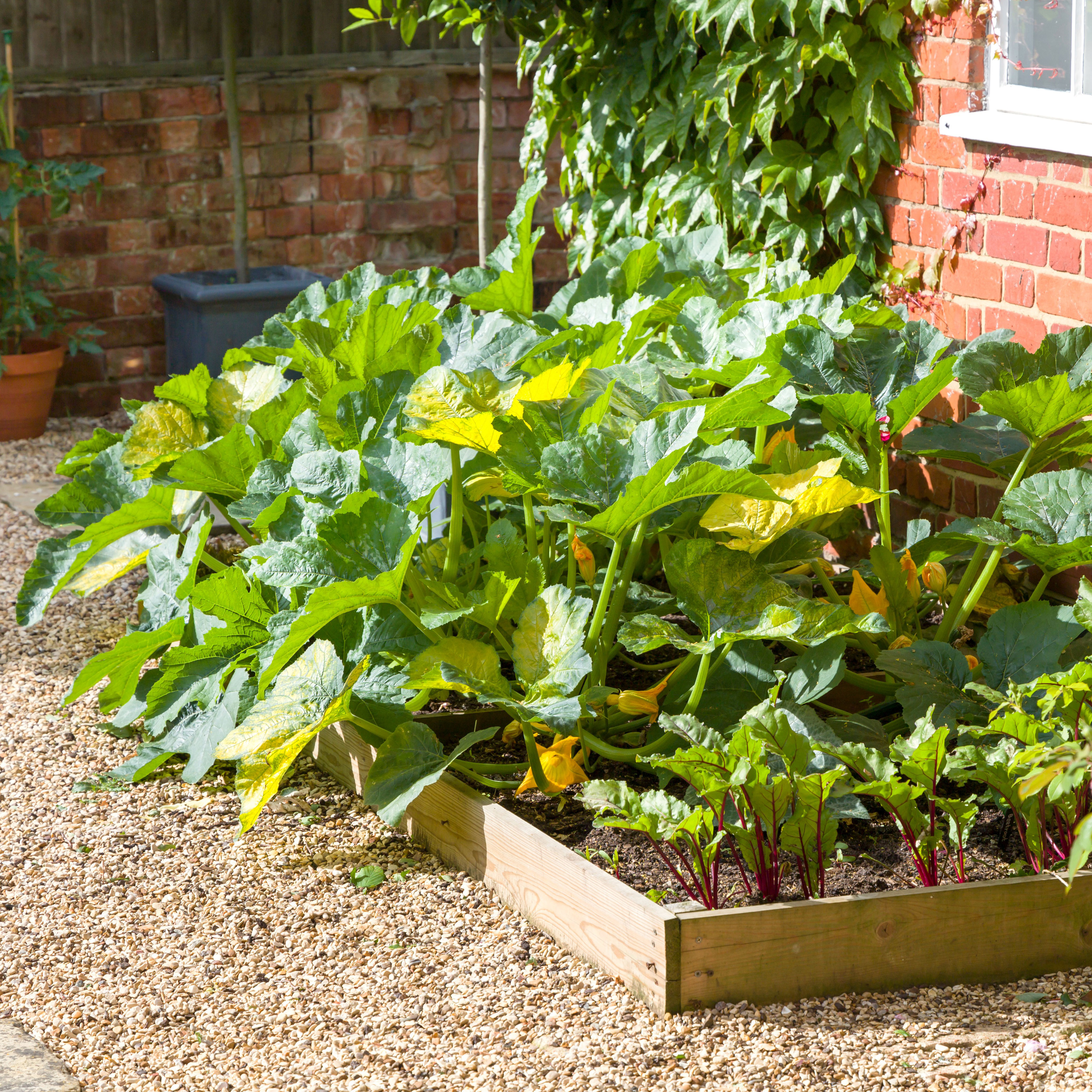
Credit: www.gardeningknowhow.com
Choosing The Right Location
Choosing the right location for your raised garden beds is key to healthy plants and a good harvest. The spot affects sunlight, soil quality, and space. Each factor influences how well your garden will grow. Take time to pick the best place before building your beds.
Sunlight Requirements
Most vegetables need at least six hours of direct sunlight daily. Place your beds where the sun shines longest. Avoid shaded areas near trees or buildings. Watch the sun’s path during different seasons. A sunny spot boosts plant growth and fruit production.
Soil Conditions
Good soil supports strong roots and healthy plants. Check if the ground drains well to avoid waterlogging. Raised beds improve drainage but starting with decent soil helps. Remove rocks, weeds, and debris from the area. Test the soil’s pH to suit your plants’ needs.
Space Considerations
Allow enough room to walk and tend your garden comfortably. Beds should be wide enough to reach the center from both sides. Leave space for tools, compost, and watering. Plan for future expansion if you want to add more beds later. Proper spacing helps keep plants healthy and easy to manage.
Selecting Materials
Choosing the right materials for your raised garden beds sets the foundation for a thriving garden. The materials impact not only the bed’s durability but also the health of your plants. Let’s break down your options to help you make the best choice for your space and budget.
Wood Types
Wood is a popular choice because it’s natural, affordable, and easy to work with. Cedar and redwood stand out for their resistance to rot and insects, making them last longer in the garden. Pine is cheaper but usually needs treatment to withstand moisture, which might introduce chemicals to your soil.
Think about the lifespan you want for your beds. Are you okay replacing them every few years, or do you want something that lasts a decade or more? Your answer will guide whether you choose untreated wood or something more durable.
Alternative Materials
Wood isn’t your only option. Metal raised beds, like those made from galvanized steel, offer a sleek look and resist pests and rot. However, they can heat up quickly in the sun, which might affect plant roots.
Concrete blocks or bricks provide strong, long-lasting borders but require more effort to set up. Some gardeners even use recycled materials like old pallets or tires—just ensure they’re safe for growing food.
Durability And Safety
Durability matters because you want your raised beds to hold up against weather and time. Pressure-treated wood lasts longer but often contains chemicals that can seep into your soil. If you grow edible plants, consider natural treatments or safer materials.
Ask yourself: How much maintenance are you willing to do? Would you rather replace parts periodically, or invest upfront in something that lasts but costs more? Your choice impacts both your gardening routine and your plants’ health.
Design And Size Options
Choosing the right design and size for your raised garden beds can shape the success of your gardening efforts. Your decisions affect accessibility, soil health, and how much you can grow. Think about how you will use the beds and what fits your space best before building.
Standard Dimensions
Most raised beds follow a width of 3 to 4 feet. This size lets you reach the center without stepping inside, which protects the soil from compaction. Length can vary, but common lengths range from 6 to 8 feet, balancing space and ease of management.
Depth is another key factor. A depth of 12 to 18 inches works well for most vegetables and flowers. If you want to grow root crops like carrots or potatoes, deeper beds of 24 inches or more might be necessary.
Custom Shapes
Raised beds don’t have to be rectangles. You can create L-shaped, circular, or even tiered beds to fit odd spaces or add visual interest. Curved beds soften garden lines and can make the area feel larger.
Think about pathways between beds. Wider paths give you room for wheelbarrows or seating. Custom shapes often mean adjusting path widths, so plan carefully to keep your garden comfortable and easy to navigate.
Height Considerations
Height impacts comfort and plant health. Taller beds, around 24 to 36 inches high, reduce the need to bend, which is great if you have back issues or want to garden from a chair. They also warm up faster in spring, extending the growing season.
Lower beds, closer to 12 inches, are easier to build and use less soil but may require more weeding and bending. Decide if ease of access or soil volume matters more to you. What level of effort do you want to invest in daily maintenance?
Step-by-step Construction
Constructing raised garden beds is a rewarding project that improves your gardening experience. Follow a clear process to ensure strong, long-lasting beds. Each stage builds on the previous one, creating a solid foundation for healthy plants.
Gathering Tools And Supplies
Start by collecting all necessary tools and materials. This saves time and avoids interruptions. Common items include:
- Wood planks (cedar or treated lumber)
- Measuring tape and pencil
- Power drill and screws
- Level to ensure even surfaces
- Shovel and rake
- Garden soil and compost
- Landscape fabric (optional)
Building The Frame
Cut wood planks to the desired length for your bed. Use screws to join corners tightly. Check with a level to keep edges straight and even. Reinforce corners with brackets if needed. A sturdy frame holds soil in place and resists weather.
Preparing The Site
Choose a sunny, flat area for your raised bed. Clear the ground of grass, weeds, and debris. Loosen soil to improve drainage. Lay landscape fabric to prevent weed growth. Position the frame and adjust to make sure it sits level.
Filling With Soil
Fill the frame with a mix of garden soil and compost. Avoid using only topsoil; it may compact over time. Spread soil evenly inside the bed. Lightly water the soil to help it settle. Add more soil if needed for a full bed ready for planting.
Soil Mix For Raised Beds
Creating the right soil mix for your raised garden beds is crucial for healthy plant growth. The soil must provide nutrients, retain moisture, and drain well. Let’s break down how you can build a soil mix that keeps your garden thriving season after season.
Choosing The Right Soil
Start with a base of good-quality topsoil or garden soil. Avoid heavy clay soils that don’t drain well or sandy soils that dry out too fast. A balanced mix should feel crumbly and light in your hands.
Look for soil that is free from contaminants and has a neutral pH level, ideally between 6.0 and 7.0. You can buy tested soil or get your local extension office to analyze your soil sample. Have you ever noticed your plants struggling despite regular watering? Poor soil choice could be the reason.
Adding Compost And Amendments
Compost is the powerhouse of your soil mix. It adds organic matter and beneficial microbes that help plants absorb nutrients. Mix in about 30% compost with your soil for best results.
You can also add amendments like peat moss or coconut coir to improve moisture retention. For better drainage, consider adding perlite or vermiculite. Remember, the goal is a mix that holds water but doesn’t stay soggy.
Maintaining Soil Health
Soil health isn’t a one-time fix—it needs ongoing care. Add fresh compost each season to replenish nutrients. Avoid compacting the soil by walking on the beds, which reduces air flow to roots.
Rotate your crops to prevent nutrient depletion and pest buildup. Testing your soil annually helps you adjust the mix before problems arise. How often do you check your soil’s condition? Making it a habit can save you from many gardening headaches.
Planting Tips
Planting in raised garden beds offers a unique chance to control soil quality and layout, but it also requires thoughtful planning to maximize growth and yield. Paying attention to which plants you choose, how you space them, and how you water can make a big difference in your garden’s success. Let’s dive into some practical tips that will help your raised beds thrive.
Selecting Suitable Plants
Pick plants that suit your climate and the amount of sunlight your raised bed receives. Leafy greens like lettuce and spinach often do well in partial shade, while tomatoes and peppers need full sun to flourish.
Consider companion planting to boost growth naturally. For example, planting basil near tomatoes can improve flavor and deter pests.
Ask yourself: Are these plants easy to maintain and harvest in a raised bed? Choose varieties that fit your gardening style and space.
Plant Spacing And Layout
Give each plant enough room to grow without crowding. Overcrowding can lead to poor air circulation and increase the risk of disease.
Use a grid layout or interplant tall and short crops to make the most of vertical and horizontal space. For instance, planting carrots beneath taller beans uses space efficiently.
Mark your planting spots before you start digging. This saves time and helps avoid mistakes, especially if you’re growing multiple crops.
Watering Techniques
Water deeply and less frequently to encourage strong root development. Light, frequent watering keeps roots shallow and weak.
Consider drip irrigation or soaker hoses to deliver water directly to the soil, reducing evaporation and keeping leaves dry to prevent disease.
Check soil moisture regularly by sticking your finger a couple of inches into the soil. Adjust watering based on weather and plant needs rather than following a strict schedule.
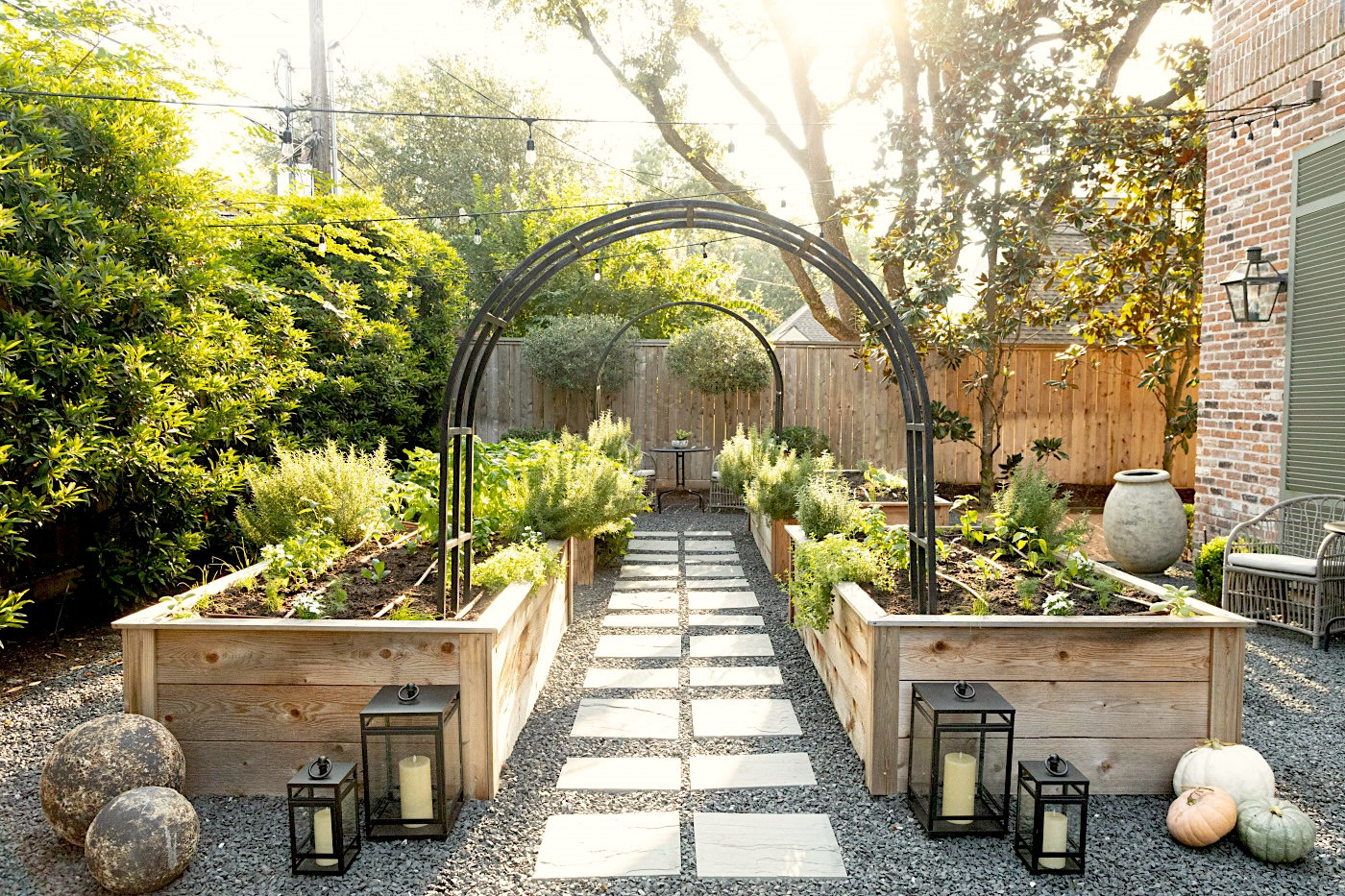
Credit: www.gardenary.com
Maintenance And Care
Maintaining and caring for your raised garden beds is key to ensuring a thriving and productive garden. Regular attention helps prevent problems before they start and keeps your plants healthy. Let’s look at some practical ways to care for your garden beds throughout the year.
Weeding And Mulching
Weeds compete with your plants for nutrients and water, so keeping them under control is crucial. Pull weeds by hand regularly, especially after watering when the soil is soft. This makes the job easier and prevents weeds from taking root deeply.
Adding mulch is a great way to reduce weed growth and retain moisture in the soil. Use organic materials like straw, wood chips, or shredded leaves. Mulch also improves soil quality as it breaks down over time.
Seasonal Tasks
Different seasons demand different types of care for your raised beds. In spring, loosen the soil and add compost to prepare for planting. This boosts soil fertility and promotes strong plant growth.
During summer, keep an eye on watering needs as raised beds can dry out faster. Water deeply but less frequently to encourage strong roots. In fall, clear out old plants and add a layer of compost or cover crop to protect the soil over winter.
Pest And Disease Management
Check your plants regularly for signs of pests or diseases. Early detection allows you to act before problems spread. Use natural remedies like neem oil or insecticidal soap to control pests without harming beneficial insects.
Encourage beneficial insects like ladybugs and bees by planting companion flowers nearby. Healthy plants resist diseases better, so focus on good soil and proper watering. Have you noticed certain pests that keep returning in your garden? Observing patterns can help you plan effective defenses.
Expanding Your Garden
Expanding your garden is an exciting step that lets you grow more of what you love. It means more fresh vegetables, flowers, or herbs right at your doorstep. The key is to plan thoughtfully so your new additions fit well with your current setup and maximize space and yield.
Adding More Beds
If you have extra space, adding more raised beds is the simplest way to expand. Keep your bed sizes consistent for easier maintenance and watering. You can arrange new beds in rows or clusters, depending on your garden layout and sunlight availability.
Think about the soil quality when adding beds. Use rich, well-draining soil mixed with compost to give your plants a strong start. Also, consider paths between beds for easy access without compacting the soil.
Vertical Gardening Options
Vertical gardening is a smart solution when horizontal space runs out. Use trellises, cages, or wall-mounted planters to grow vining plants like beans, peas, or cucumbers. This not only saves space but also improves air circulation, reducing disease risks.
Vertical setups can double your growing area without expanding your garden footprint. Have you tried growing strawberries or cherry tomatoes in hanging baskets? They thrive in vertical spaces and add a fresh look to your garden.
Companion Planting Ideas
Companion planting helps you maximize space by growing compatible plants together. Pair tomatoes with basil to improve flavor and repel pests. Or plant carrots next to onions to keep unwanted bugs away.
Mixing plants this way can boost growth and reduce the need for chemical pest control. Have you noticed your plants grow healthier when planted next to certain companions? Experimenting with combinations might reveal your garden’s best partnerships.

Credit: m.youtube.com
Frequently Asked Questions
What Materials Work Best For Raised Garden Beds?
Wood, cedar, and redwood are popular for raised beds. They resist rot and are eco-friendly. Composite and stone are durable but pricier. Choose materials based on budget, aesthetics, and garden size.
How Deep Should Raised Garden Beds Be?
Raised beds should be at least 12 inches deep. This depth allows proper root growth for most vegetables. For root crops, 18 to 24 inches is ideal. Deeper beds improve drainage and soil aeration.
How Often Should I Water Raised Garden Beds?
Water raised beds when the top inch of soil feels dry. Usually, this means watering 2-3 times a week. Adjust frequency based on weather, plant type, and soil moisture retention.
Can I Grow Vegetables Year-round In Raised Beds?
Yes, raised beds extend growing seasons by warming soil faster. Use row covers or cold frames to protect crops in colder months. Select cold-hardy vegetables for winter planting.
Conclusion
Raised garden beds offer a simple way to grow healthy plants. Building them takes some effort but brings many rewards. You can control soil quality and reduce weeds easily. Watching your garden grow brings joy and fresh food. Start small and expand as you learn what works best.
Keep watering, weeding, and caring for your plants daily. Enjoy the process and the results will follow naturally. Raised beds help anyone grow a thriving garden at home.