
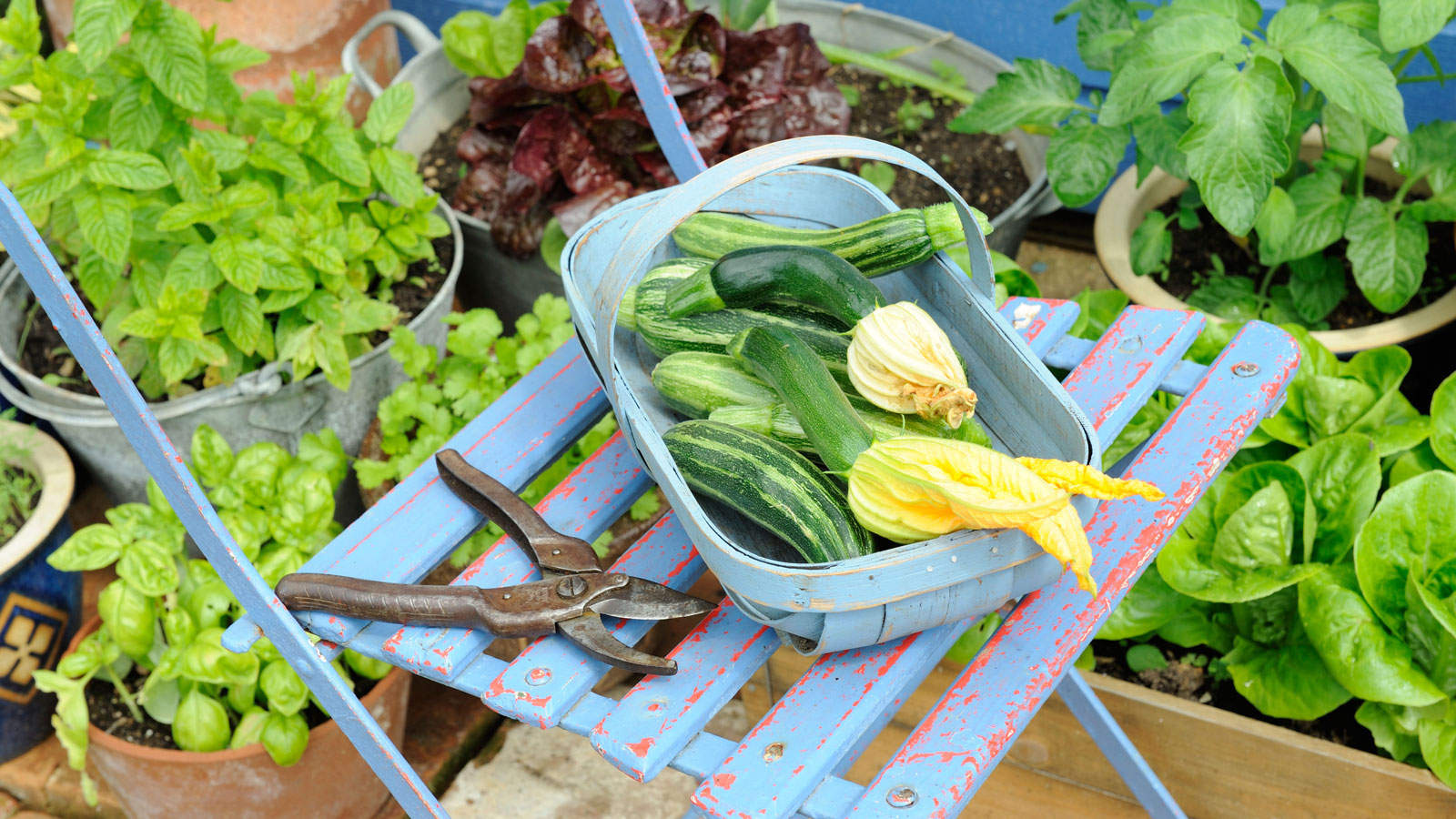
Are you ready to turn a small patch of soil into a thriving vegetable garden? Growing your own veggies is not only rewarding but also gives you fresh, tasty food right at your doorstep.
But where do you start? Knowing what to grow can make all the difference between a garden that flourishes and one that struggles. In this guide, you’ll discover the best vegetables to plant, how to choose the right ones for your space, and simple tips to help your garden bloom.
Keep reading, and soon you’ll be harvesting homegrown goodness that you’ll be proud of!
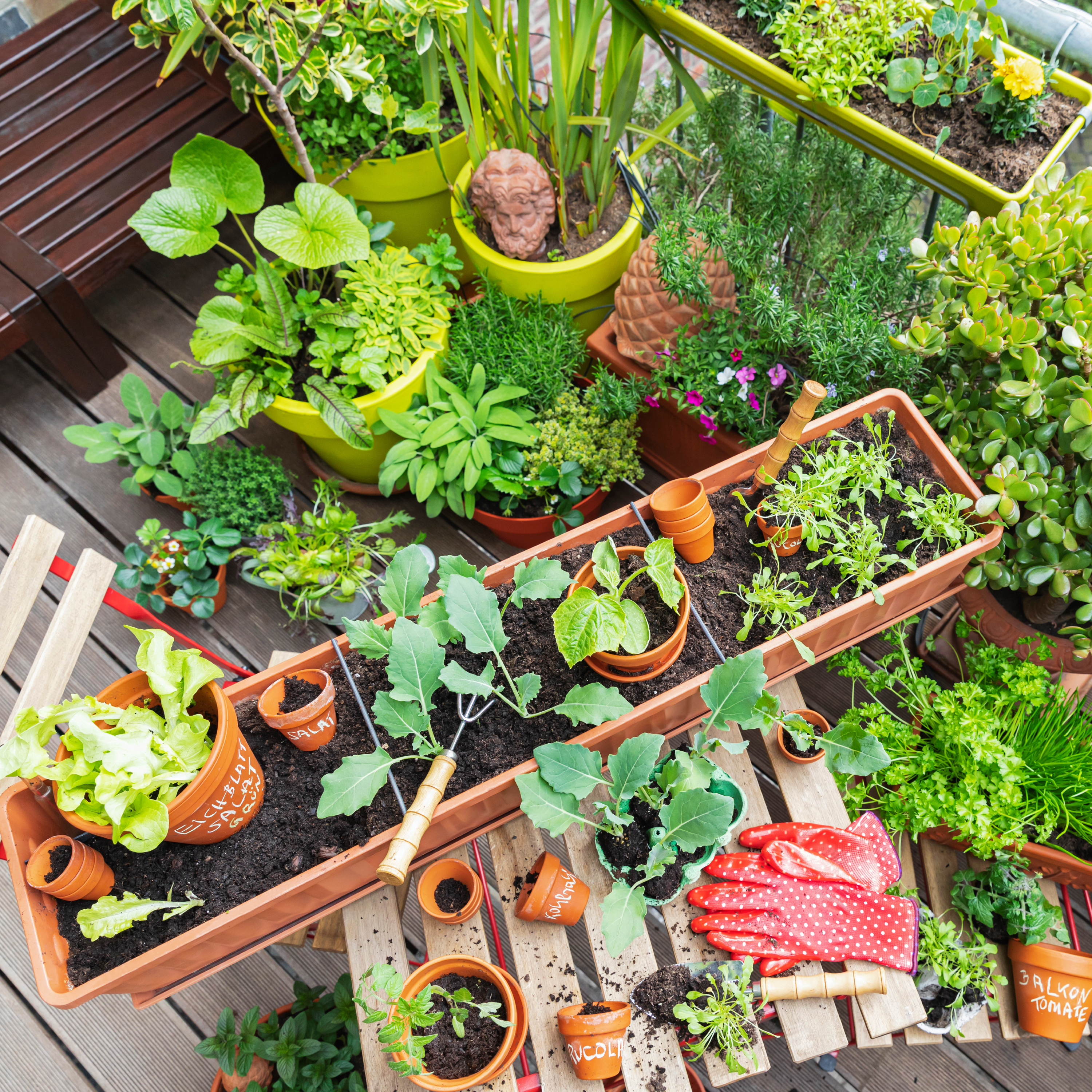
Credit: www.gardeningknowhow.com
Choosing Your Garden Spot
Choosing the right spot for your vegetable garden sets the stage for a healthy harvest. The location impacts plant growth, soil health, and how much work you will need to do. Taking time to pick a good site improves your chances of success and enjoyment.
Sunlight Requirements
Vegetables need plenty of sunlight to grow well. Most veggies require at least six hours of direct sun every day. Observe your yard through the day. Check for shadows from trees, buildings, or fences. Avoid shady spots that limit sun exposure. A sunny location helps plants produce more fruits and vegetables.
Soil Quality And Preparation
Good soil is the foundation of a strong garden. Look for soil that drains well and feels crumbly. Avoid heavy clay or sandy soil without organic matter. Test the soil’s pH to ensure it suits vegetable growth, usually between 6.0 and 7.0. Add compost or natural fertilizers to improve soil nutrients. Turn the soil to loosen it before planting.
Space And Layout Planning
Plan enough space for your vegetables to grow without crowding. Different plants need different amounts of room. Some vegetables grow tall, others spread wide. Arrange plants so air flows freely between them. Use rows or raised beds to organize your garden neatly. Leave paths for easy watering and harvesting.
Best Vegetables For Beginners
Starting a vegetable garden is exciting but choosing the right plants can be tricky. Some vegetables grow quickly, others need less care, and some produce a lot. Picking beginner-friendly vegetables helps build confidence and enjoy fresh food from your garden. Here are some of the best vegetables for beginners to grow.
Fast-growing Options
Fast-growing vegetables give quick results and keep motivation high. They usually mature in less than two months. These plants work well for small spaces and early harvests.
- Radishes – Ready in about 30 days and very easy to grow.
- Lettuce – Grows fast and can be harvested multiple times.
- Spinach – Tolerates cool weather and grows quickly.
- Green beans – Produce pods in 50 to 60 days.
Low-maintenance Choices
Low-maintenance vegetables need less water, fertilizer, and attention. These crops are perfect for beginners who want simple care routines. They tolerate different weather conditions and resist pests well.
- Zucchini – Grows vigorously and requires little care.
- Carrots – Need loose soil but little watering once established.
- Peas – Easy to grow and improve soil quality.
- Swiss chard – Hardy and tolerates heat and cold.
High-yield Vegetables
High-yield vegetables provide a large harvest from a small area. These crops make gardening feel rewarding and save money on groceries.
- Tomatoes – Produce many fruits per plant over the season.
- Cucumbers – Vining plants that give abundant harvests.
- Bell peppers – Provide multiple peppers that mature at different times.
- Green beans – Continuous picking means many pods from one plant.
Seasonal Vegetable Picks
Choosing the right vegetables for each season can make your garden thrive and keep your kitchen stocked with fresh produce year-round. Understanding which crops perform best in spring, summer, and fall helps you plan effectively and avoid disappointment. Let’s look at some top vegetable picks for each season that fit well in most home gardens.
Spring Planting Favorites
Spring is perfect for cool-weather crops that can handle a light frost. You might want to try:
- Peas:Sweet and easy to grow, peas add fresh flavor early in the season.
- Spinach:This leafy green thrives in cooler temperatures and grows quickly.
- Radishes:Ready to harvest in just a few weeks, they’re great for impatient gardeners.
- Carrots:Plant early for a crunchy, sweet reward in late spring.
Have you noticed how much faster these vegetables mature in cool soil? It’s a chance to get your garden started without waiting for warm weather.
Summer Crop Stars
Summer calls for heat-loving veggies that flourish under the sun. Some reliable choices include:
- Tomatoes:A staple for many, they require full sun and regular watering.
- Peppers:Both sweet and hot varieties add color and spice to your garden.
- Zucchini:Known for high yields, zucchinis grow fast and need plenty of space.
- Cucumbers:Crisp and refreshing, they do well with consistent moisture.
Have you tried growing cherry tomatoes in containers? They can brighten up small spaces and give you a bountiful harvest without a big patch of land.
Fall Harvest Vegetables
Fall is ideal for crops that mature as the weather cools down again. Consider these options:
- Kale:This hardy green actually tastes sweeter after a frost.
- Brussels Sprouts:They need a long growing season and cooler temps to develop their flavor.
- Beets:They store well and add vibrant color to fall meals.
- Broccoli:Prefers the cooler weather of fall to avoid bolting in heat.
What if you planted fall crops now and extended your garden’s productivity? You might be surprised how much fresh produce you can enjoy before winter sets in.
:max_bytes(150000):strip_icc()/GettyImages-sb10063671m-001-986c908082ca4dd09ad813e6db6492c2.jpg)
Credit: www.realsimple.com
Companion Planting Tips
Companion planting is a smart way to boost your vegetable garden’s health and yield. By growing certain plants together, you can naturally reduce pests, improve soil nutrients, and make the most of your space. Have you ever noticed how some plants seem to thrive better when near others? That’s the magic of companion planting.
Vegetables That Grow Well Together
Some vegetables are natural partners. For example, tomatoes and basil are a classic duo. Basil helps repel insects that bother tomatoes and can even enhance their flavor.
- Carrots and Onions:Onions deter carrot flies, while carrots help loosen the soil around onions.
- Beans and Corn:Beans fix nitrogen in the soil, which corn needs to grow strong stalks.
- Cucumbers and Radishes:Radishes can help keep cucumber beetles at bay.
Try planting these combos and watch your garden become more productive and less troubled by pests.
Plants To Avoid Near Each Other
Not all plants get along. Some can stunt growth or attract pests that harm their neighbors.
| Plant A | Plant B | Reason to Avoid |
|---|---|---|
| Potatoes | Tomatoes | Both attract similar pests and diseases, increasing risk. |
| Cabbage | Strawberries | Cabbage’s growth can stunt strawberry plants. |
| Carrots | Dill | Dill can cause carrots to grow poorly. |
Have you ever planted two veggies side by side and noticed one struggling? Understanding which plants to keep apart can save you time and frustration.
Watering And Fertilizing
Watering and fertilizing are key to a healthy vegetable garden. Plants need water to absorb nutrients and grow strong. Fertilizers supply essential nutrients that soil might lack. Together, they keep plants vibrant and productive.
Optimal Watering Practices
Water plants deeply but less often. This encourages roots to grow deeper. Shallow watering causes weak roots and dry soil quickly. Early morning is the best time to water. It reduces evaporation and fungal problems.
- Use a soaker hose or drip irrigation for steady moisture.
- Avoid watering leaves to prevent diseases.
- Check soil moisture before watering. Stick your finger about 2 inches deep.
- Adjust watering frequency based on weather and soil type.
Choosing The Right Fertilizer
Vegetables need nitrogen, phosphorus, and potassium. These are the main nutrients in fertilizers. Look for balanced formulas like 10-10-10 for general use. Leafy greens need more nitrogen. Root vegetables benefit from phosphorus.
- Organic options include compost, manure, and bone meal.
- Use slow-release fertilizers for steady feeding.
- Follow package instructions to avoid over-fertilizing.
- Test soil to know which nutrients are missing.
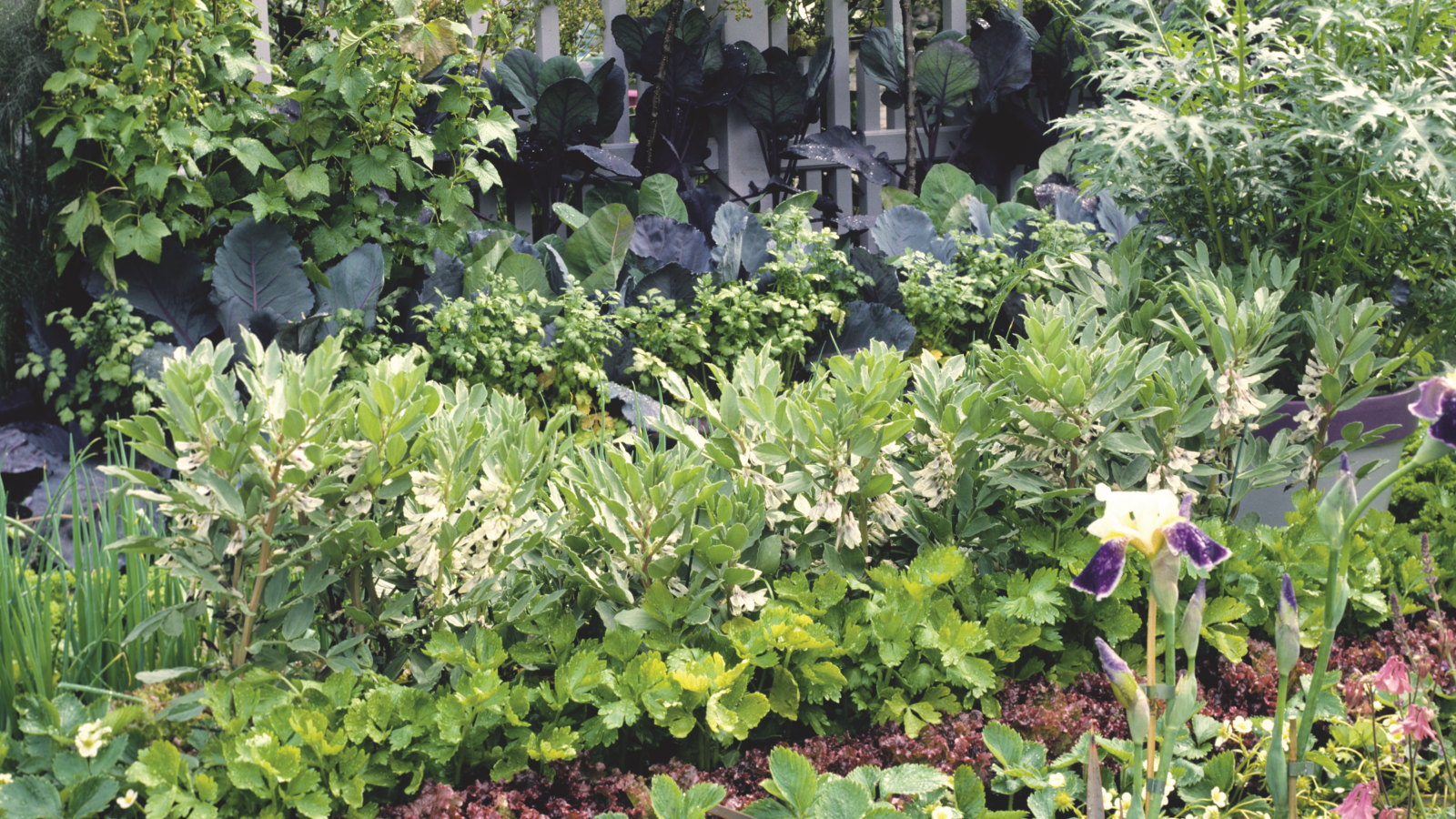
Credit: www.homesandgardens.com
Pest And Disease Control
Keeping your vegetable garden healthy means staying on top of pest and disease control. Pests and diseases can quickly ruin your hard work, but understanding what you’re up against helps you act fast. Let’s look at some common garden invaders and how you can protect your plants naturally and effectively.
Common Garden Pests
Some pests are more persistent than others. Aphids, caterpillars, and slugs often target leafy greens and tomatoes. Spider mites and whiteflies can also cause serious damage, sucking the life out of your plants.
Have you noticed tiny holes in your lettuce or a sticky residue on your tomatoes? These signs usually point to pest activity. Early detection is key to preventing a full-blown infestation.
Natural Pest Remedies
Instead of reaching for chemical sprays, try simple, natural solutions. Neem oil and insecticidal soap work well to keep pests at bay without harming beneficial insects.
- Spray a mix of water and a few drops of dish soap to remove aphids.
- Introduce ladybugs or lacewings, which feed on harmful pests.
- Use garlic or chili pepper sprays as a natural repellent.
I once battled a slug invasion by scattering crushed eggshells around my plants. It created a barrier the slugs avoided, saving my lettuce patch without any chemicals. What natural remedies could you try this season?
Preventing Plant Diseases
Diseases often spread through water, soil, or infected tools. Keeping your garden clean and dry reduces risk significantly. Avoid overhead watering to minimize leaf wetness, which attracts fungal infections.
Crop rotation also helps. Planting different vegetables in the same spot each year stops diseases from building up in the soil. Removing diseased leaves promptly can protect the rest of your garden.
Have you checked your garden tools lately? Sterilizing them between uses prevents disease transmission. Small habits like these can make a big difference in your garden’s health.
Harvesting And Storage
Harvesting and storing vegetables properly ensures fresh flavors and longer shelf life. Picking vegetables at the right time keeps them tasty and nutritious. Storing them correctly prevents waste and preserves quality. This section explains when to harvest and how to store your garden produce effectively.
When To Harvest Each Vegetable
Each vegetable has a perfect harvest time. Knowing this time helps get the best taste and texture.
- Tomatoes:Harvest when fully colored and slightly soft.
- Carrots:Pick when roots reach 1/2 to 1 inch thick.
- Beans:Pick pods when firm but before seeds swell.
- Peppers:Harvest when skin is smooth and shiny.
- Leafy greens:Cut leaves before they get tough or bitter.
- Zucchini:Pick when 6 to 8 inches long for best flavor.
Check vegetables daily during peak season. Early or late picking affects taste and storage time.
Tips For Proper Storage
Store vegetables in the right place to keep them fresh longer. Use these simple tips.
- Keep cool vegetables like carrots and lettuce in the fridge.
- Store tomatoes at room temperature, away from sunlight.
- Use perforated plastic bags to keep humidity balanced.
- Do not wash vegetables before storing; moisture causes rot.
- Separate ethylene-producing vegetables, like tomatoes, from others to avoid quick spoilage.
- Use root cellars or cool, dark places for potatoes and onions.
Follow these tips to reduce waste and enjoy your harvest for weeks.
Frequently Asked Questions
What Vegetables Are Easiest For Beginners To Grow?
Leafy greens, radishes, and cherry tomatoes are beginner-friendly. They grow quickly and need minimal care. These vegetables thrive in most climates and provide a rewarding harvest for new gardeners.
How Much Space Do Vegetables Need To Grow?
Most vegetables need 12 to 24 inches of space between plants. Root vegetables require more depth, while leafy greens grow well in compact areas. Proper spacing ensures healthy growth and reduces disease risk.
When Is The Best Time To Start A Vegetable Garden?
Spring is the ideal time to start your vegetable garden. Soil warms up, promoting seed germination. Early planting helps you enjoy a longer growing season and fresher harvests.
What Soil Type Is Best For A Vegetable Garden?
Loamy, well-drained soil rich in organic matter is best. It retains moisture but drains excess water to prevent root rot. Adding compost improves soil fertility and structure.
Conclusion
Growing your own vegetable garden brings fresh food right to your door. Start small with easy vegetables like tomatoes or lettuce. Water them regularly and watch them grow. Enjoy the satisfaction of picking your own healthy produce. Gardening also gives you time outdoors and a chance to relax.
Keep learning and trying new plants each season. Your garden can become a peaceful, green space for your home. Simple steps lead to great results. Give it a try and see the joy of growing vegetables yourself.