

Have you ever noticed that some of the freshest, tastiest food can come straight from your own backyard? Growing your own food at home is easier than you might think, and it brings a special satisfaction you won’t find at the grocery store.
Imagine picking ripe, juicy tomatoes or crisp lettuce right when you need them—no trips, no waiting. You’ll discover a simple, popular food that many gardeners love to grow at home. Once you learn about it, you might just want to start planting it yourself.
Ready to find out what it is? Keep reading—you won’t want to miss these tips and surprises!
Benefits Of Homegrown Food
Growing food in your home garden offers a range of benefits that go beyond just fresh produce. It changes how you connect with what you eat and impacts your health, wallet, and the planet. Let’s dive into the key advantages that might make you consider planting that vegetable or herb today.
Nutritional Advantages
Homegrown fruits and vegetables often contain higher levels of vitamins and minerals because you can harvest them at peak ripeness. Unlike store-bought produce, which might spend days in transit, your garden’s yield reaches your plate faster, preserving nutrients.
Have you noticed how tomatoes from your garden taste richer? That flavor boost often signals better nutrient content, especially antioxidants like vitamin C and lycopene. Growing your own also means fewer pesticides, so what you eat is cleaner and healthier.
Environmental Impact
When you grow food at home, you reduce the need for packaging and long-distance transportation, which lowers your carbon footprint. Each plant in your garden helps absorb CO2 and supports local biodiversity, attracting beneficial insects and birds.
Think about the waste you cut down by skipping plastic packaging and food waste often seen in stores. Plus, watering your garden responsibly can use less water than industrial farming. How much difference could your small garden make if more people joined in?
Cost Efficiency
Starting a garden requires some investment, but the ongoing savings can be significant. Imagine cutting down your grocery bills by picking fresh herbs, greens, or even fruits right outside your door.
Many gardeners find that growing staples like lettuce, spinach, or cherry tomatoes is cheaper than buying organic versions at the store. You can also avoid impulse buys and reduce food waste by harvesting only what you need.
Have you ever calculated how much you spend on fresh produce each week? A few plants might save you more than you expect over a season.

Credit: parade.com
Popular Garden Foods
Growing your own food at home can be incredibly rewarding. It not only saves money but also gives you fresh, flavorful ingredients right at your doorstep. Some foods are especially popular in home gardens because they’re easy to grow and add great value to your meals.
Tomatoes: A Garden Staple
Tomatoes are a favorite for many gardeners because they thrive in pots and garden beds alike. Their bright, juicy fruits bring a burst of flavor to salads, sauces, and sandwiches. Have you noticed how much better homegrown tomatoes taste compared to store-bought ones?
Growing tomatoes teaches you patience and care, as they need consistent watering and sunlight. Varieties like cherry tomatoes produce a lot, even in small spaces. Plus, harvesting your own tomatoes means you avoid pesticides and enjoy peak freshness every time.
Leafy Greens: Versatile And Nutritious
Leafy greens like spinach, kale, and lettuce grow quickly and provide a constant supply of vitamins. They fit perfectly in small garden patches or containers, making them accessible for any gardener. Have you tried mixing different greens in your salad for a richer taste and texture?
These greens are also forgiving if you forget to water occasionally. You can pick leaves as needed, which encourages new growth and extends your harvest. Including leafy greens in your garden ensures you have healthy, fresh ingredients for smoothies, salads, and sautés.
Herbs: Aromatic Additions
Herbs such as basil, parsley, and rosemary add wonderful aromas and flavors to your dishes. They’re easy to grow and don’t require much space, so even a windowsill can host a mini herb garden. Have you ever tasted a dish enhanced by fresh herbs straight from your garden?
Using fresh herbs can transform simple recipes into memorable meals without extra calories or salt. They also offer natural remedies and health benefits, making them a smart addition to your garden. Keeping herbs close means you can snip what you need, reducing waste and boosting flavor.
Growing Techniques
Growing your own food in a home garden can be incredibly rewarding, but the way you grow it matters just as much as what you grow. Choosing the right techniques helps you maximize space, improve plant health, and get better yields. Let’s look at some practical growing techniques that can fit your garden style and needs.
Organic Methods
Growing food organically means avoiding synthetic chemicals and focusing on natural processes. You can start by enriching your soil with compost or well-rotted manure, which feeds plants and encourages beneficial insects.
Mulching around your plants helps retain moisture and controls weeds without harmful herbicides. Using natural pest control like ladybugs or neem oil keeps your plants healthy while protecting the environment.
Have you tried companion planting? Growing certain plants together, like tomatoes with basil, can improve growth and reduce pests naturally.
Container Gardening
Limited space? Container gardening is a perfect solution. You can grow vegetables, herbs, and even small fruits in pots, window boxes, or recycled containers.
Choose containers with good drainage holes and fill them with high-quality potting mix. Remember, containers dry out faster than ground soil, so check moisture levels daily.
Containers let you move plants to catch the sun or protect them from harsh weather. Have you experimented with different containers to see what your plants prefer?
Vertical Gardening
Vertical gardening saves space by growing plants upward instead of outward. You can use trellises, wall-mounted planters, or hanging baskets to grow climbing plants like peas, beans, or cucumbers.
This technique improves air circulation and makes harvesting easier. Plus, it adds a beautiful green element to walls or fences.
Try vertical gardening if your ground space is limited. What creative vertical setups could you build with everyday materials?

Credit: www.hgtv.com
Seasonal Planting
Seasonal planting is key to a thriving home garden. It means choosing the right crops to grow during specific times of the year. This approach helps you get the best harvest and keeps your garden healthy.
Warm Season Crops
Warm season crops love the heat and plenty of sunshine. Vegetables like tomatoes, peppers, and cucumbers do well once the danger of frost has passed. I found that planting these after the last frost date gave me juicy tomatoes all summer long.
These crops need well-drained soil and regular watering. You can also try beans, squash, and corn if you have space. Have you noticed how much sweeter homegrown tomatoes taste compared to store-bought ones? That’s the reward for growing warm season crops at the right time.
Cool Season Choices
Cool season crops thrive in cooler temperatures and can tolerate light frosts. Leafy greens like spinach, kale, and lettuce are perfect for early spring or fall planting. I always plant radishes early because they grow quickly and add a peppery crunch to salads.
These crops often grow best when the sun isn’t too strong. Root vegetables such as carrots and beets also do well in cool seasons. Are you ready to experiment with a few cool season vegetables to extend your garden’s productivity?
Pest Management
Managing pests in your home garden is crucial to keep your plants healthy and productive. Pests can quickly damage leaves, stems, and fruits if left unchecked. You might think about reaching for chemical pesticides, but there are safer and more natural ways to protect your garden.
Natural Remedies
Using natural remedies lets you avoid harsh chemicals while still controlling pests effectively. Spraying a mixture of water and mild soap can help remove aphids and other small insects from your plants. You can also make a garlic or chili pepper spray that deters many pests due to its strong smell and taste.
I once used neem oil on my tomato plants after spotting a few caterpillars. It worked wonders without harming beneficial insects like bees or ladybugs. Would you try these simple sprays before buying expensive pesticides?
Companion Planting
Companion planting involves growing certain plants close together to naturally repel pests or attract helpful insects. For instance, planting marigolds near your tomatoes can keep nematodes and whiteflies away. Basil is another great companion; it can improve tomato flavor and keep mosquitoes at bay.
Try pairing your vegetables with herbs or flowers that have pest-repelling qualities. This method reduces pest problems and can even improve your garden’s overall health. Have you noticed how some plants seem to protect others without any extra effort?
Harvesting Techniques
Harvesting your home garden’s bounty is both an art and a science. Knowing the right techniques can make a big difference in taste, texture, and how long your food lasts. It’s not just about pulling fruits or vegetables off the plant; it’s about timing and handling them with care to get the best results.
Optimal Harvest Times
Timing is crucial when harvesting. Picking your produce too early can mean it lacks full flavor, while waiting too long might cause overripeness or spoilage.
Look for visual cues like color changes, size, and firmness. For example, tomatoes should be fully colored but still firm to the touch, while beans are best picked when they’re young and tender.
Consider the time of day too. Early morning harvests often yield the freshest and most flavorful results because plants are fully hydrated after the cooler night.
Storage And Preservation
Once harvested, how you store your produce can extend its life and maintain quality. Some vegetables, like carrots and beets, do well in a cool, dark place with high humidity.
Leafy greens, on the other hand, need to be washed, dried thoroughly, and kept in airtight containers in the fridge to prevent wilting.
Have you tried freezing herbs or blanching vegetables before freezing? These methods lock in freshness and make your garden’s bounty last through the off-season.
Culinary Uses
Homegrown foods bring fresh flavors directly from your garden to the table. Using these ingredients enhances meals with natural taste and nutrition. They add vibrant colors and crisp textures to many dishes.
Fresh Salads And Salsas
Freshly picked vegetables and herbs make salads burst with flavor. Combine garden tomatoes, cucumbers, and leafy greens for a simple salad. Chop herbs like basil or cilantro to add bright notes.
Salsas made from garden tomatoes, onions, and chili peppers offer a spicy kick. Fresh ingredients keep the salsa lively and crisp. Use lime juice and salt to balance the flavors perfectly.
Cooking With Homegrown Ingredients
Cooking with garden vegetables adds rich taste to soups and stews. Stir-fry freshly harvested peppers and zucchini for a quick meal. Roasting root vegetables brings out their natural sweetness.
Herbs like rosemary and thyme boost flavors in roasted meats and vegetables. Using homegrown produce ensures meals taste fresher and more vibrant.
Herbal Teas And Infusions
Herbs from the garden make soothing herbal teas. Mint leaves brewed in hot water calm the mind and refresh the body. Chamomile flowers create a gentle, relaxing tea.
Infuse herbs like lemon balm or lavender in warm water for a fragrant drink. These teas offer natural health benefits and delightful aromas straight from the garden.
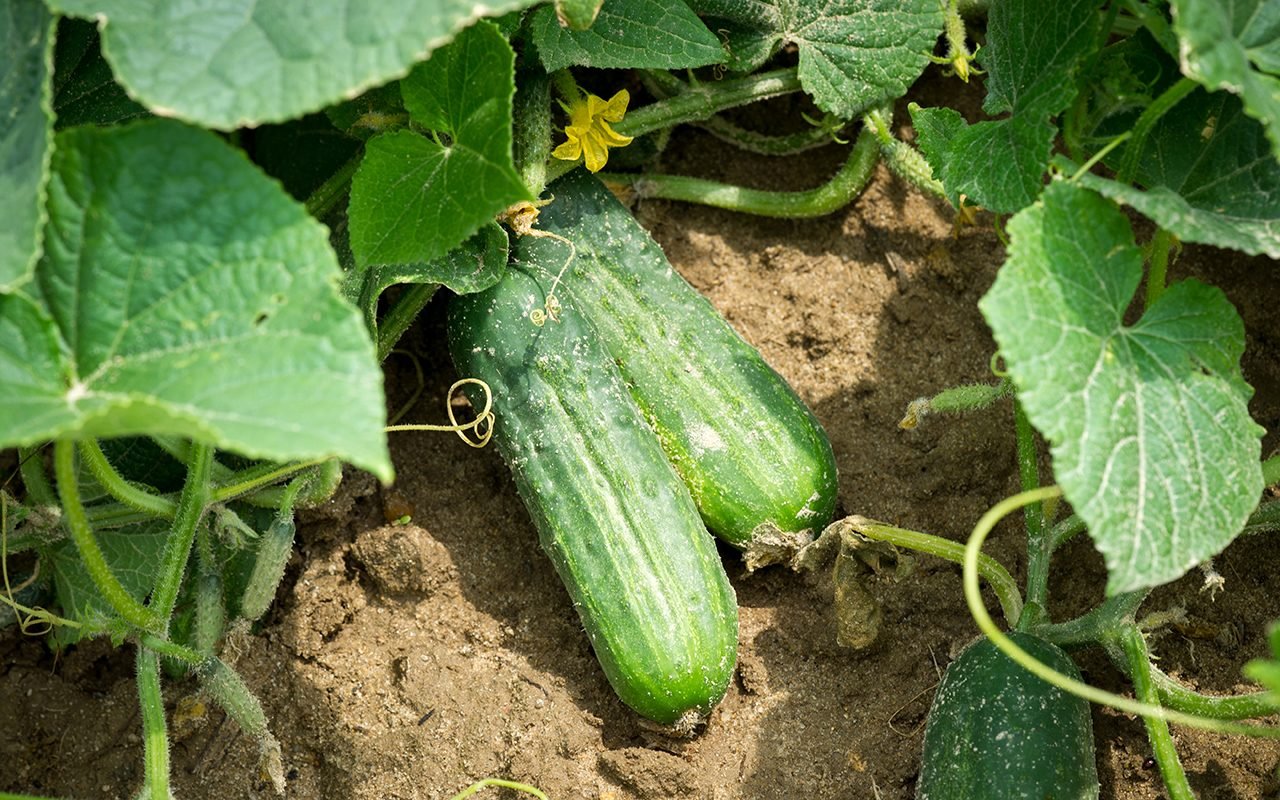
Credit: www.tasteofhome.com
Frequently Asked Questions
What Is The Easiest Food To Grow At Home?
Leafy greens like lettuce and spinach are easiest to grow. They require minimal space, water, and sunlight. These crops grow quickly and yield fresh, nutritious leaves for salads and cooking.
How Do I Start A Home Garden For Food?
Choose a sunny spot with good soil drainage. Prepare soil by adding compost and organic matter. Plant seeds or seedlings, water regularly, and monitor for pests to ensure healthy growth.
Which Foods Grow Best In Small Garden Spaces?
Herbs like basil, parsley, and mint grow well in small spaces. Tomatoes, radishes, and peppers are also suitable. They thrive in pots or raised beds, making them ideal for limited garden areas.
How Much Sunlight Does A Home Food Garden Need?
Most vegetables need 6-8 hours of direct sunlight daily. Herbs and leafy greens can tolerate partial shade. Proper sunlight ensures strong growth and higher yields in your home garden.
Conclusion
Growing food in your home garden brings fresh taste and health benefits. You enjoy knowing where your food comes from. It saves money and reduces trips to the store. Gardening also teaches patience and care for nature. Small efforts lead to big rewards.
Try planting easy vegetables or herbs first. Watch your garden grow day by day. You will feel proud and connected to your food. Start small, and enjoy the fresh flavors right at home. It’s simple, fun, and good for you.